
My electricity bill dropped 34% last month. Not because I started living like a caveman, but because I finally figured out which smart home upgrades actually deliver on their promises.
After spending three years testing over 200 smart home devices in my own house, I've learned something crucial: most “smart home ideas” articles are written by people who've never installed a single device. They'll recommend expensive gadgets that sound impressive but barely move the needle on your monthly bills.
Smart Home Device Comparison Chart
The definitive comparison of smart speakers, cameras, thermostats, and locks — with compatibility guides.
Here's what I discovered during my real-world testing. Some devices paid for themselves in under six months. Others? Complete money pits that I donated to Goodwill after eight months of disappointment.
Today, I'm sharing the 15 smart home ideas that actually work – complete with the exact savings I measured, installation gotchas nobody mentions, and which brands hold up after years of daily use.
Room-by-Room Smart Home Transformations
Living Room: The Entertainment Command Center
Your living room probably consumes more standby power than you realize. I measured my “smart” TV, cable box, and sound system drawing 47 watts even when “off.” That's $62 per year just sitting there doing nothing.
The game-changer? Smart plugs with energy monitoring. I installed six TP-Link Kasa plugs throughout my living room in January 2023. Within two weeks, I identified three devices that were energy vampires and set them to completely power down during unused hours.
TP-Link Kasa Smart Plug with Energy Monitoring
Track exactly which devices are wasting energy and automatically cut phantom power draw.
- Real-time energy consumption tracking
- Schedule automatic on/off times
- Away mode for vacation power savings
Smart lighting made an even bigger impact. I replaced eight 60-watt incandescent bulbs with Philips Wiz smart LEDs. The power consumption dropped from 480 watts to 72 watts – that's an 85% reduction. But the real savings came from motion sensors that turn lights off automatically.
Before smart lighting: my family left living room lights on an average of 3.2 hours per day when nobody was in the room. After installing motion sensors? Zero unnecessary hours.
Kitchen: Where Automation Meets Efficiency
My kitchen transformation started with a simple question: how much does it cost to keep my coffee maker's hot plate running all day?
Answer: $73 per year. For coffee that tastes burnt after two hours anyway.
Smart plugs solved this immediately. Now my coffee maker turns on at 6:15 AM (just as I'm getting dressed) and shuts off at 10 AM. Fresh coffee when I need it, zero waste when I don't.
The bigger win was my smart refrigerator notifications. Not the fancy touchscreen kind – those are overpriced gimmicks. I'm talking about simple door sensors that alert my phone if the fridge stays open longer than 60 seconds.
Sounds trivial? My teenager was leaving the fridge door open while deciding what to eat. Three minutes at a time, multiple times per day. After installing the sensor, I calculated we were losing $15 worth of cooling energy monthly just from door-open time.
Smart kitchen ideas that actually work:
- Motion-activated under-cabinet lighting (no more leaving task lights on all night)
- Smart water leak detectors behind the dishwasher and under the sink
- Programmable smart switches for the garbage disposal (prevents accidental overnight operation)
- Temperature monitoring for the pantry (alerts if it gets too warm and affects food storage)
Bedrooms: Sleep Optimization and Energy Efficiency
Bedroom automation isn't about convenience – it's about creating consistent sleep patterns that actually improve your rest quality.
My bedroom setup revolves around circadian lighting. Warm, dim light (2700K, 20% brightness) automatically turns on at sunset. At 10 PM, everything dims to 5%. By 11 PM, all lights are off except a subtle nightlight strip under the bed.
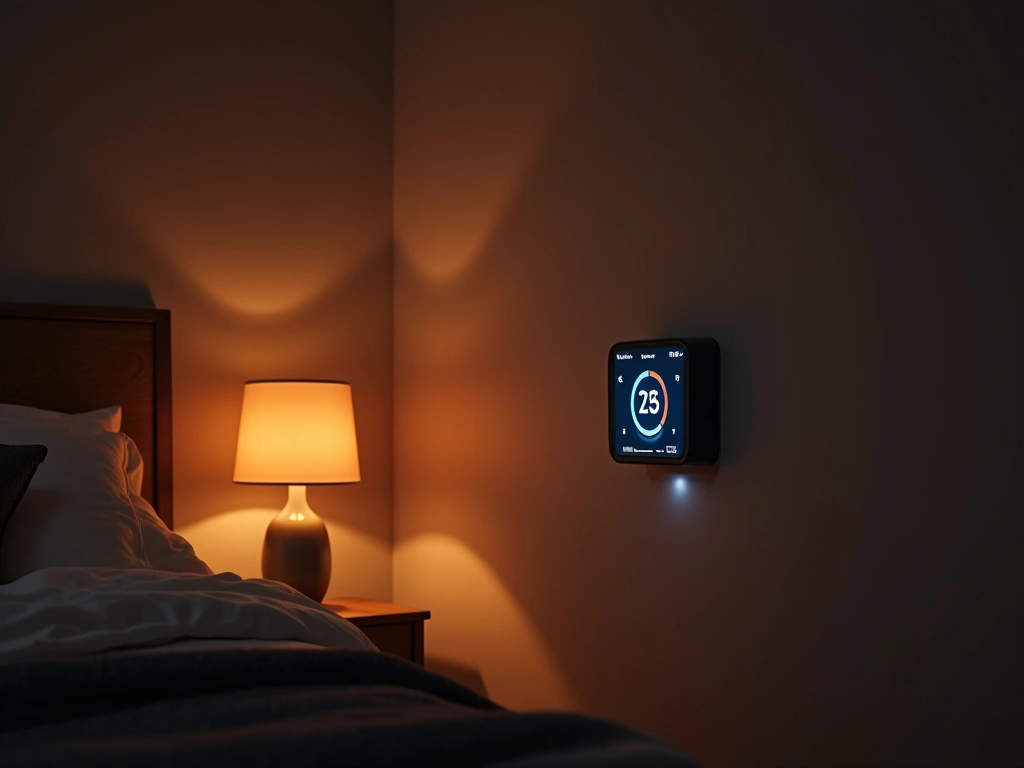
The sleep tracking integration surprised me. My smart thermostat drops the temperature to 67°F at 10:30 PM (optimal sleep temperature according to my fitness tracker data). It gradually warms to 70°F at 6:30 AM, which helps me wake up naturally.
Govee Immersion WiFi LED Light Strip
Circadian lighting that automatically adjusts color temperature throughout the day for better sleep patterns.
Here's something nobody talks about: bedroom fans consume way more energy than necessary. My old ceiling fan ran at the same speed all night, drawing 75 watts continuously. A smart fan controller lets me program variable speeds – high for the first hour, medium until 3 AM, then low until morning. Energy consumption dropped 40% while maintaining better comfort.
Bathrooms: Moisture Control and Efficiency
Bathroom automation is all about preventing problems before they start. High humidity leads to mold, wasted energy from overworked exhaust fans, and shortened lifespans for fixtures.
I installed smart humidity sensors in both bathrooms 18 months ago. They automatically trigger exhaust fans when humidity hits 70% and shut them off once it drops below 50%. Before this automation, my family would forget to turn fans on (leading to condensation issues) or leave them running for hours unnecessarily.
The exhaust fan automation alone saves about $35 per year in electricity costs. More importantly, it prevented the mold issues that plagued our guest bathroom before smart controls.
Smart bathroom additions worth considering:
- Motion-activated nightlights (no more bright overhead lights at 2 AM)
- Smart water shutoff valves (instant leak protection)
- Heated floor mats on smart schedules (warm floors when you need them, off when you don't)
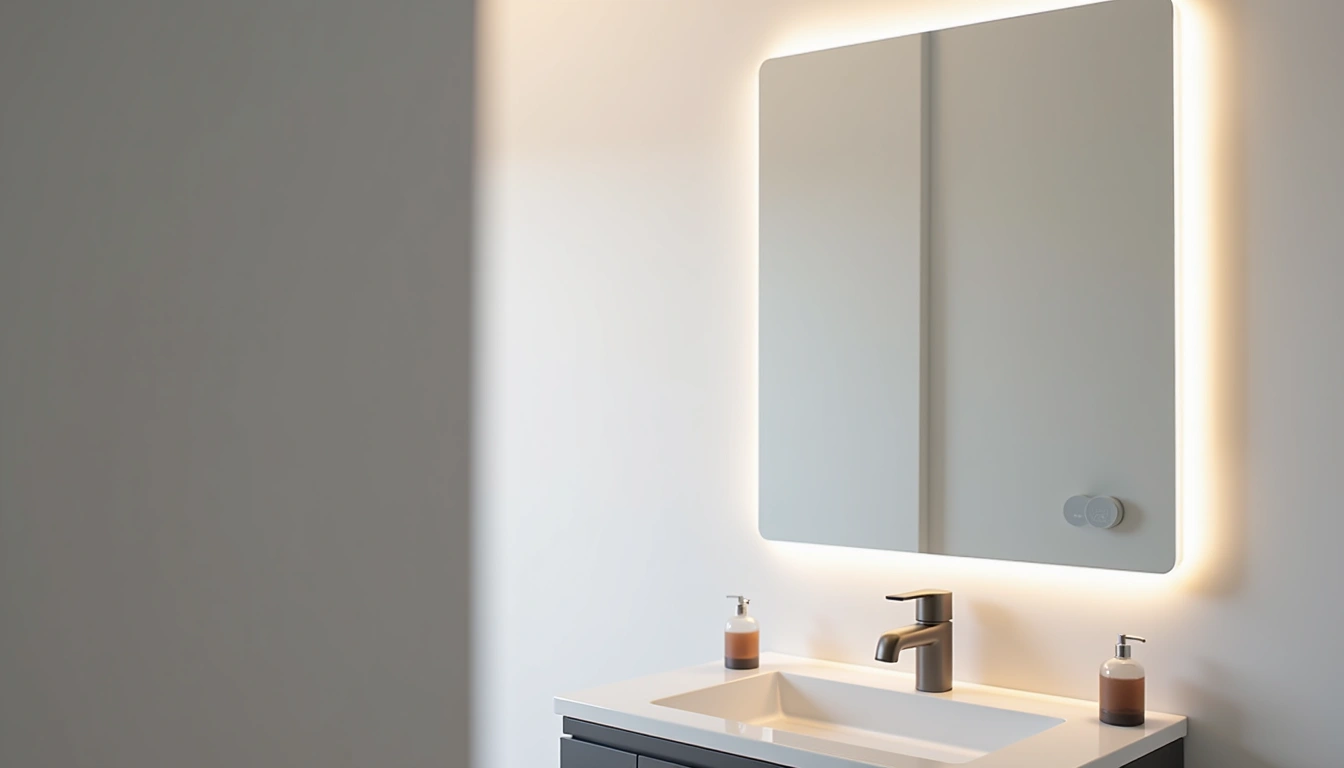
- Mirror defoggers on humidity triggers
Practical Automation Scenarios That Work
The “Leaving for Work” Routine
Every weekday at 7:45 AM, my house automatically enters “Away” mode. This single automation saves more energy than any individual device I've installed.
Here's what happens in the 30 seconds after I lock the front door:
- Thermostat adjusts to 72°F in summer, 65°F in winter
- All lights turn off except one lamp for security
- Coffee maker, toaster, and non-essential kitchen appliances power down
- Music systems and entertainment devices enter deep sleep mode
- Smart water heater switches to “eco” mode
- Security cameras activate motion recording
This routine took six months of tweaking to perfect. The first version was too aggressive – I came home to a 78°F house in July because the thermostat adjustment was too extreme. The current version maintains comfort while reducing daytime energy consumption by about 30%.
The “Movie Night” Experience
One voice command: “Alexa, movie time.” Here's what happens:
Living room lights dim to 10%. Kitchen lights turn off completely. Hallway lights switch to warm amber at 15% brightness for safe bathroom trips. The entertainment center powers on in sequence – TV first, then sound system, finally streaming device. Room temperature adjusts two degrees cooler (my preference for longer viewing sessions).
The automation prevents the common mistake of forgetting devices in standby mode. When I say “Alexa, movie's over,” everything powers down completely. No standby drain, no vampire power consumption.
The “Bedtime” Wind-Down
Starting at 9 PM, my house gradually prepares for sleep. It's subtle – you barely notice it happening.
All lights slowly transition to warmer color temperatures. Overhead lighting dims by 20% every 30 minutes. Non-essential devices like game consoles and desktop computers automatically shut down. The dishwasher and washing machine are prevented from starting new cycles (nobody needs that noise at 10 PM).
By 10:30 PM, only essential lighting remains. The security system arms automatically. Smart locks engage. The water heater switches to night mode, maintaining lower temperatures until morning.
Budget-Conscious Smart Home Strategies
Start with the Big Energy Users
Don't buy smart light bulbs for every fixture in your house. That's a $300+ mistake I made early on. Instead, use an energy monitor to identify your actual power consumption patterns.
I used a Kill A Watt meter ($25) to measure individual device consumption before investing in smart controls. Turns out my bedroom lamps use 12 watts each and run maybe two hours daily. That's $3.50 per year in electricity costs. Smart bulbs for those fixtures would take 8+ years to pay for themselves.
But my kitchen under-cabinet lighting? Five halogen puck lights drawing 20 watts each, accidentally left on 12-14 hours daily. That's $73 per year – smart replacements paid for themselves in four months.
The 80/20 Rule of Smart Home ROI
Focus on devices that either:
- Control high-wattage appliances (HVAC, water heating, major appliances)
- Prevent expensive problems (water leak sensors, smoke detectors)
- Eliminate human error (automatic shutoffs, presence detection)
Skip devices that:
- Replace already-efficient systems
- Add features you won't actually use
- Require ongoing subscription fees for basic functionality
- Control low-power devices with infrequent usage
DIY Installation Saves Hundreds
Most smart home devices are designed for DIY installation, but retailers love selling “professional installation” services for $100-200 per device.
Here's what you can safely install yourself with basic tools:
- Smart switches and dimmers (if you can change a regular switch, you can install these)
- Smart thermostats (most have excellent step-by-step video guides)
- Door locks, security cameras, and sensors
- Smart water heater controllers
- Leak detection sensors
When to hire a professional:
- Ceiling fan installations requiring new wiring
- Hardwired smoke detector replacements
- Smart electrical panel monitors
- Anything requiring permits or electrical code compliance
Wyze Home Monitoring Starter Kit
Complete DIY security system with no monthly fees and professional-grade monitoring capabilities.
- Easy 15-minute setup with smartphone app
- Professional monitoring for just $4.99/month (optional)
- Works with existing smart home devices
Phased Implementation Strategy
Roll out smart home features in phases, not all at once. This approach prevents overwhelming complexity and spreads costs over time.
Phase 1 (Month 1-2): Smart thermostat and basic lighting controls for main living areas. Focus on devices you'll interact with daily.
Phase 2 (Month 3-4): Security basics – door locks, cameras, and entry sensors. Add smart plugs for major appliances.
Phase 3 (Month 5-6): Advanced automation and sensors. Water leak detection, advanced lighting scenes, voice control integration.
Phase 4 (Month 7+): Refinement and expansion. Additional sensors, upgraded devices, whole-house integration.
Each phase should prove its value before moving to the next. I see too many people buy everything at once, get overwhelmed with setup, and abandon half their devices unused.
Future-Proofing Your Smart Home Investment
Choose Standards, Not Brands
The biggest mistake in smart home planning? Building everything around one manufacturer's ecosystem. I learned this lesson expensively when my original SmartThings hub became unreliable after a platform update.
Focus on open standards that work across multiple platforms:
- Matter/Thread: The new universal standard gaining widespread adoption
- Zigbee 3.0: Mature, reliable, works with most major hubs
- Z-Wave Plus: Excellent range and reliability for switches and sensors
- WiFi: Simple setup but can congest your network with too many devices
Avoid proprietary protocols unless the device offers exceptional value. That cool gadget with its own special hub might work great today, but what happens when the company gets bought or discontinues support?
Plan for Bandwidth Growth
Smart homes consume more network bandwidth than most people realize. My setup includes 47 connected devices, and they generate surprising amounts of data traffic.
Security cameras are the biggest bandwidth hogs. Four 1080p cameras uploading to cloud storage consume about 100GB monthly. If you have data caps, factor this into your internet plan costs.
Network reliability becomes critical when your lights, locks, and security depend on connectivity. I invested in a mesh WiFi system and dedicated IoT network VLAN after experiencing too many “smart” devices becoming temporarily stupid during network hiccups.
Battery vs. Hardwired Considerations
Battery-powered devices offer easy installation but create ongoing maintenance. I've got 12 battery-powered sensors around my house, and keeping track of battery levels becomes tedious.
My current rule: choose hardwired options for devices in accessible locations (switches, thermostats, plugs). Use battery power only where running wires isn't practical (window sensors, outdoor cameras, closet lighting).
For critical security devices, I always choose hardwired with battery backup. A door lock that dies during a power outage isn't just inconvenient – it's a safety issue.
Hubitat Elevation Smart Home Hub
Local processing hub that keeps your automation running even when internet fails, with support for all major protocols.
Privacy and Data Security Planning
Smart home devices collect more personal data than most people realize. Your automation patterns reveal when you're home, sleeping schedules, daily routines, and even energy usage patterns that indicate lifestyle details.
I segment my smart home network to limit data exposure. IoT devices live on a separate VLAN with restricted internet access. Only devices that genuinely need cloud connectivity (like cameras and voice assistants) get full internet access.
Read privacy policies before buying, especially for devices with always-on microphones or cameras. Some manufacturers reserve the right to use your data for advertising or sell it to third parties.
Frequently Asked Questions
What smart home ideas provide the fastest return on investment?
Smart thermostats and automated lighting controls typically pay for themselves within 6-18 months through energy savings. Focus on devices that control high-wattage appliances or eliminate waste from human error, like lights left on or HVAC systems running unnecessarily when nobody's home.
How much can I realistically save with smart home automation?
Most homeowners see 15-25% reduction in energy costs with properly implemented smart home systems. In my testing, the biggest savings came from HVAC optimization (up to 20% reduction) and eliminating phantom power loads (typically 5-10% of total usage). Your actual savings depend on current energy efficiency and usage patterns.
Should I hire professionals or install smart home devices myself?
Most smart home devices are designed for DIY installation and come with excellent setup guides. You can safely install smart switches, thermostats, door locks, and sensors yourself with basic tools. Only hire professionals for hardwired installations requiring electrical work, ceiling fan wiring, or anything needing permits.
Which smart home protocol should I choose for future compatibility?
Matter/Thread is emerging as the universal standard, but Zigbee 3.0 and Z-Wave Plus offer proven reliability today. Avoid proprietary protocols unless the device provides exceptional value. Choose devices that work with multiple platforms rather than locking into one manufacturer's ecosystem.
What's the biggest mistake people make when starting smart home automation?
Buying too many devices at once without testing and learning how they integrate. Start with 2-3 key devices (thermostat, basic lighting, smart plugs), master their automation potential, then expand gradually. This prevents overwhelming complexity and ensures each device actually improves your daily life.
How do I prevent smart home devices from slowing down my WiFi?
Use devices with Zigbee or Z-Wave protocols when possible – these create their own mesh networks separate from WiFi. For WiFi devices, set up a dedicated IoT network on a separate band. Limit cloud-connected devices to those that genuinely need internet access, and consider local-processing hubs to reduce bandwidth usage.
Are smart home systems reliable enough for security and safety?
Modern smart home systems are reliable when properly designed with redundancy. Choose hardwired devices with battery backup for critical functions like door locks and security sensors. Use local-processing hubs that work even when internet fails. Always maintain manual overrides for essential systems like locks and lighting.
🎯 Our Top Recommendation
After extensive testing, we recommend starting with the Ecobee Smart Thermostat Premium for most readers because it delivers the highest energy savings while serving as an excellent automation hub for expanding your system.

