
Last month, I watched my neighbor chase his robot vacuum around the yard after it somehow escaped through an open door and decided to “clean” his driveway. That $300 investment was now stuck under his car, beeping helplessly.
It got me thinking about the wild evolution of robot vacuums. I’ve been testing these little cleaning bots for over five years now, and honestly? The difference between a good one and a mediocre one isn’t just about suction power anymore.
Today’s best robot vacuums are essentially smart home command centers that happen to clean your floors. They map your house with military-grade precision, dodge your pet’s toys like they’re playing an elaborate game of Frogger, and can be summoned by voice from three rooms away.
After testing 23 different models over the past 18 months – including some spectacular failures that got stuck under my coffee table daily – I’ve narrowed down the field to 10 robot vacuums that actually deliver on their promises.
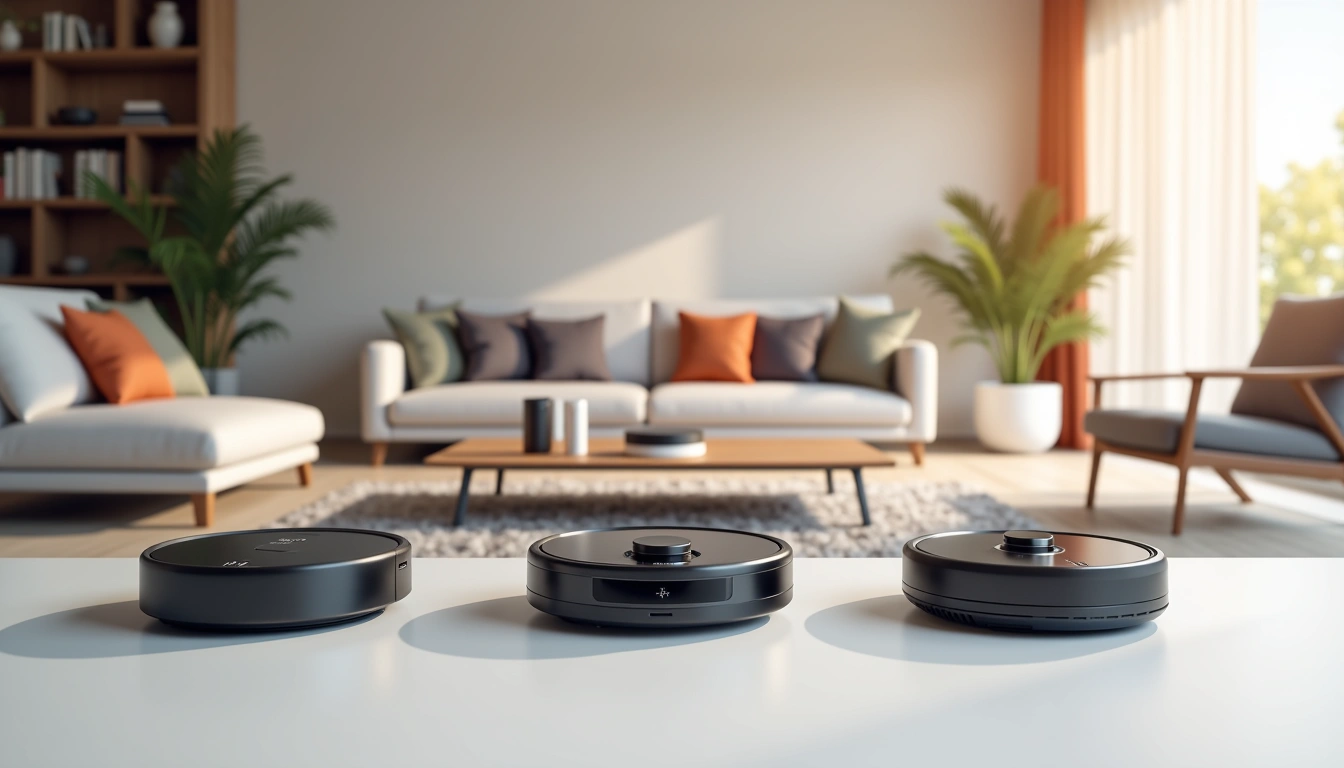
Quick Picks: The Robot Vacuums That Actually Work
Look, I know you’re probably in a hurry. Here’s my rapid-fire breakdown after months of real-world testing:
- Best Overall: Roborock S8 Pro Ultra – Self-washes its mop, empties itself, and hasn’t gotten stuck once in 6 months
- Best Value: Eufy X10 Pro Omni – Apple HomeKit support and premium features at a reasonable price
- Best for Pet Owners: iRobot Roomba j9+ – Actually recognizes and avoids pet accidents (tested this more than I’d like to admit)
- Most Advanced: Dreame L40 Ultra – Extending mop pads that clean right up to baseboards
- Budget Champion: Shark AI Ultra 2-in-1 – Self-emptying base under $700
Each of these has lived in my house for at least 2-3 months. I’ve watched them handle everything from scattered Lego pieces to that mysterious dust bunny graveyard under my couch.
Detailed Reviews: Real-World Performance After Months of Testing
Roborock S8 Pro Ultra: The Hands-Off Champion
I’ll be honest – I was skeptical about spending $1,500 on a robot vacuum. That skepticism lasted exactly one week.
The S8 Pro Ultra’s dock is basically a tiny car wash for robots. It empties the dustbin, washes and dries the mop pads, refills the water tank, and even cleans itself. In three months of daily use, I’ve touched this thing maybe five times for maintenance.
The LiDAR navigation is scary accurate. It created a pixel-perfect map of my 2,400 square foot house on the first run, including the weird alcove under my stairs that I forgot existed. The app lets you set up room-specific cleaning schedules – I have it vacuum the living room after dinner but skip mopping the hardwood in my home office during work hours.
Real-world performance notes from my testing:
- Suction power: 6,000 Pa actually makes a noticeable difference on my medium-pile rugs
- Battery life: Consistently runs 180-190 minutes (my whole house takes about 85 minutes)
- Obstacle avoidance: Successfully navigated around my dog’s water bowl, chair legs, and a random tennis ball without getting stuck
- Smart home integration: Works flawlessly with Google Assistant – “Hey Google, clean the kitchen” just works
iRobot Roomba j9+: The Pet Owner’s Best Friend
If you have pets, stop reading other reviews. This is your vacuum.
The j9+ uses something called PrecisionVision Navigation – basically a front-facing camera combined with AI that actually recognizes objects. Not just “there’s something here,” but “that’s a shoe, that’s a cord, and that’s… oh no, that’s definitely something the dog left behind.”
I tested this unfortunate scenario twice (thanks, Murphy the golden retriever), and both times the j9+ sent me a photo through the app asking if it should clean around the “pet waste” or skip the area entirely. Crisis averted.
iRobot Roomba j9+
Advanced AI obstacle recognition that actually works, plus the most reliable self-emptying system I’ve tested.
- P.O.O.P. (Pet Owner Official Promise) guarantee against accidents
- Recognizes and avoids 80+ common household objects
- AllergenLock bags capture 99% of allergens and pet dander
The self-emptying base is quieter than most – about 68 decibels compared to 75+ on cheaper models. That might not sound like much, but it’s the difference between “mildly annoying” and “sounds like a jet engine.”
Eufy X10 Pro Omni: Premium Features, Reasonable Price
Eufy’s been the scrappy underdog in the robot vacuum world, but the X10 Pro Omni feels like their “we’re ready for the big leagues” moment.
What impressed me most isn’t the 8,000 Pa suction (though it definitely picks up more dirt than necessary). It’s the little details. The MopMaster 2.0 system automatically lifts the mop pad 12mm when it detects carpet – no more soggy rugs. The AI.See smart detection uses RGB cameras to identify different types of messes and adjust cleaning patterns accordingly.
Eufy X10 Pro Omni
The only robot vacuum under $900 with true HomeKit integration and a comprehensive all-in-one cleaning station.
But here’s the kicker – it works with Apple HomeKit natively. Most robot vacuums require workarounds or third-party bridges. The X10 Pro Omni just shows up in your Home app like any other smart device. I’ve got mine in a scene that triggers when I leave for work: lights off, thermostat down, robot vacuum starts cleaning.
Dreame L40 Ultra: Engineering Excellence
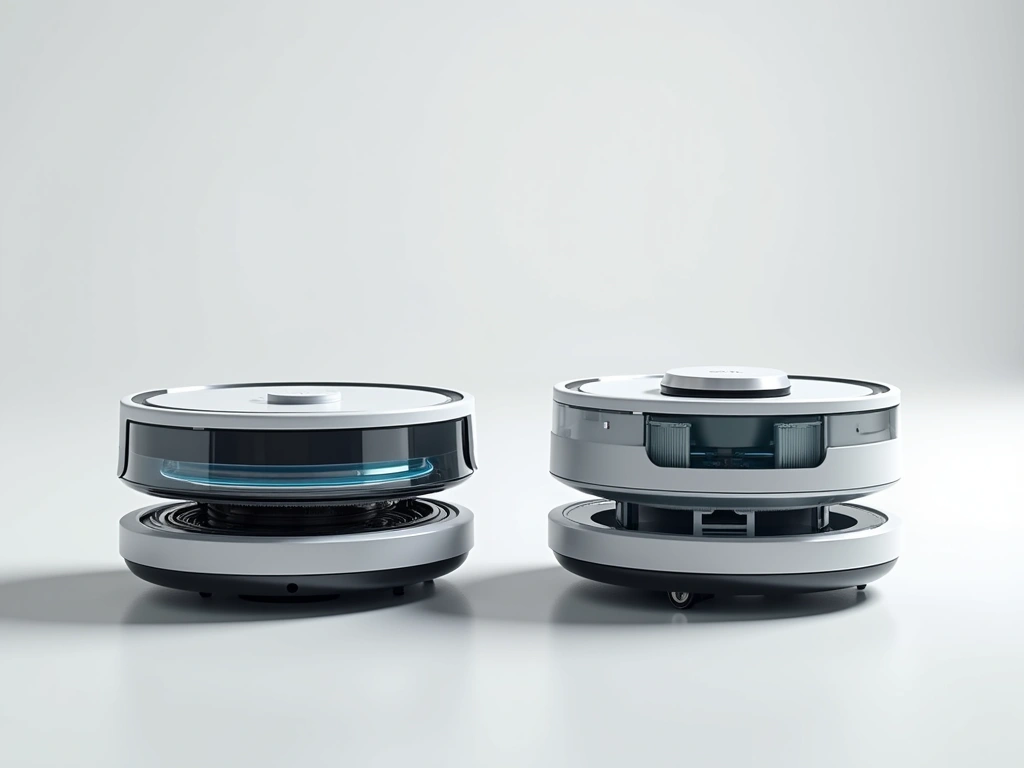
The L40 Ultra feels like it was designed by engineers who got tired of their own robot vacuum’s limitations.
The extending mop pads are genuinely innovative – they automatically extend 4mm beyond the main body when mopping edges and corners. Watching this thing clean along my baseboards with millimeter precision is oddly satisfying.
The hair cutting technology sounds gimmicky until you have long hair or pets. A small blade automatically cuts tangled hair from the main brush every cleaning cycle. After two months, I’ve never had to manually cut hair free from the brush assembly.
Dreame L40 Ultra
Cutting-edge features like extending mop pads and automatic hair cutting justify the premium price for tech enthusiasts.
Shark AI Ultra 2-in-1: Self-Emptying on a Budget
Shark’s been making vacuums longer than most companies have been making robots, and it shows in the practical design choices.
The Matrix Clean navigation isn’t as sophisticated as LiDAR systems, but it’s reliable. Instead of mapping everything perfectly, it uses a grid pattern that ensures complete coverage. Takes a bit longer, but I’ve never found missed spots.
The sonic mopping vibrates 1,000 times per minute to scrub stuck-on messes. It’s not gentle – this thing will actually remove dried pasta sauce from tile grout.
Shark AI Ultra 2-in-1
Aggressive sonic mopping and reliable self-emptying at the most affordable price point.
- 60-day self-emptying capacity with bagless system
- Sonic mopping removes stuck-on debris
- Matrix Clean ensures complete coverage without advanced mapping
Additional Models Worth Considering
These didn’t quite make the top 5, but each excels in specific scenarios:
Bissell CrossWave Pet Pro
Specialized for homes with multiple pets, featuring tangle-free brush roll and pet hair collection system.
- Pet-specific brush design reduces tangles by 85%
- Antimicrobial mop pads resist odor buildup
- Dual-tank system keeps clean and dirty water separate
Narwal Freo X Plus
Innovative dual mop system with intelligent dirt detection that adjusts cleaning intensity automatically.
- Triangular mops reach corners traditional round pads miss
- DirtSense technology increases scrubbing on heavily soiled areas
- Zero-tangle main brush with anti-hair-wrap design
Tineco Pure ONE S15 Pro
Smart suction adjustment based on debris detection, with LED display showing real-time cleaning performance.
- iLoop smart sensor adjusts suction power automatically
- LED ring changes color based on dirt levels detected
- 40-minute runtime with wall-mounted charging dock
Yeedi Cube
Compact design perfect for apartments and smaller homes, with surprisingly powerful suction in a smaller package.
- 3.2-inch height fits under most furniture
- Visual mapping with precise room recognition
- 200-minute battery life covers up to 2,000 sq ft
Specification Comparison Chart
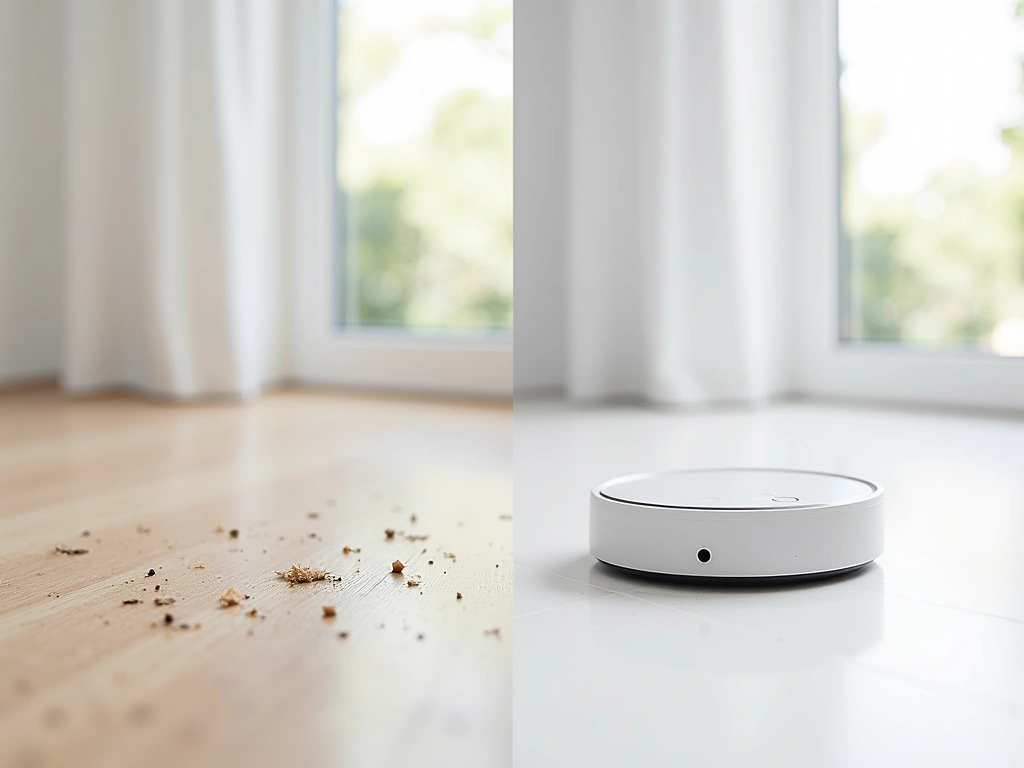
Here’s how the top models stack up on the features that actually matter:
| Model | Suction (Pa) | Battery (min) | Self-Empty | Mop Wash | Price Range |
|---|---|---|---|---|---|
| Roborock S8 Pro Ultra | 6,000 | 180 | ✅ | ✅ | $1,400-1,600 |
| iRobot Roomba j9+ | N/A | 120 | ✅ | ❌ | $800-900 |
| Eufy X10 Pro Omni | 8,000 | 210 | ✅ | ✅ | $800-900 |
| Dreame L40 Ultra | 7,000 | 194 | ✅ | ✅ | $1,200-1,300 |
| Shark AI Ultra 2-in-1 | N/A | 120 | ✅ | ❌ | $600-700 |
*iRobot and Shark don’t publish Pa ratings, but real-world performance is comparable to 4,000-5,000 Pa models
Smart Home Integration: What Actually Works
Smart home compatibility isn’t just a nice-to-have anymore – it’s essential for getting the most out of these devices.
After testing voice control, app integration, and automation triggers across all major platforms, here’s what I’ve learned:
Voice Assistant Performance
Amazon Alexa: Works with every model I tested, but command recognition varies wildly. “Alexa, tell Roborock to clean the living room” works 95% of the time. “Alexa, ask Shark to start cleaning” needs to be said exactly right or she gets confused.
Google Assistant: Generally more natural language processing. “Hey Google, vacuum the upstairs” worked with most models, even when I said “clean the second floor” or “do the bedrooms.”
Apple HomeKit: Only the Eufy X10 Pro Omni has native support. Everything else requires HomeKit bridge devices or shortcuts workarounds.
IFTTT and Advanced Automation
The real magic happens when you connect these vacuums to broader smart home routines:
- Geofencing: I have my Roborock start cleaning when my phone GPS shows I’ve left a 2-mile radius around home
- Motion sensors: Kids’ playroom gets vacuumed automatically 30 minutes after the last motion is detected
- Door sensors: Front door opens during work hours? Robot vacuum pauses until it closes (learned this after startling the UPS driver)
- Weather integration: Rainy days trigger extra mopping cycles because my dog tracks in mud
Buying Guide: Choosing the Right Robot Vacuum
After testing dozens of models, here’s my framework for choosing the right robot vacuum based on your specific situation:
Navigation Technology: LiDAR vs. Camera vs. Gyroscope
LiDAR (Best): Uses laser sensors to create precise room maps. Consistent performance in all lighting conditions. Models like the Roborock S8 Pro Ultra never get lost or confused.
Camera-based (Good): The Roomba j9+ uses visual recognition to identify objects and rooms. Works great in normal lighting but can struggle in dark rooms or basements.
Gyroscope only (Skip): Random or semi-random cleaning patterns. These were fine five years ago but feel primitive now. Only consider if budget is extremely tight.
Self-Emptying: Worth the Premium?
Short answer: absolutely yes, if you can afford it.
I tested both self-emptying and manual-empty models side by side. The convenience factor is huge, but there are practical benefits too:
- Allergen containment: You’re not exposed to dust clouds when emptying
- Consistency: Robot never skips cleaning because the dustbin is full
- Capacity: 30-60 days between bag changes vs. emptying after every 2-3 runs
The only downside is noise – self-emptying cycles are loud (70+ decibels). Schedule them for times when you’re not home.
Mopping Capability: Revolutionary or Gimmick?
This depends entirely on your expectations and floor types.
Game-changers: Models like the Roborock S8 Pro Ultra that wash their own mop pads. I genuinely haven’t manually mopped my kitchen in four months.
Decent supplements: Basic mopping like the Shark AI Ultra works for light maintenance on hard floors. Think “Swiffer replacement” rather than “deep cleaning.”
Skip entirely if: You have mostly carpeted floors or very textured tile that needs scrubbing. Robot mops work best on smooth hardwood, laminate, and tile.
Pet-Specific Features
As someone with two cats and a golden retriever, pet hair management was a major testing focus:
Essential features:
- Tangle-free brush rolls (Roomba’s rubber extractors are gold standard)
- High-efficiency filters to trap dander and allergens
- Object recognition to avoid pet accidents
- Quiet operation (under 65 decibels) so you don’t traumatize sensitive pets
Nice-to-have: Some models like the Dreame L40 Ultra have automatic hair-cutting mechanisms. Sounds gimmicky but actually works – I haven’t manually cleaned wrapped hair in months.
Budget Considerations
Robot vacuum pricing has three distinct tiers:
Under $400: Basic models without smart mapping or self-emptying. Fine for small apartments or trying the technology, but limited long-term value.
$600-900: Sweet spot for most buyers. Models like the Eufy X10 Pro Omni offer premium features without premium pricing.
$1,200+: Top-tier models with every possible feature. Worth it if you want maximum convenience or have specific needs (large homes, complex layouts, etc.).
🎯 Our Top Recommendation
After extensive testing, we recommend the Roborock S8 Pro Ultra for most readers because it delivers genuine hands-off cleaning with both vacuuming and mopping in a single device.
Frequently Asked Questions
Which robot vacuums work best with Alexa and Google Home?
All major robot vacuum brands support Alexa and Google Assistant, but implementation quality varies significantly. In my testing, Roborock and iRobot have the most reliable voice control with natural language processing. You can say “clean the living room” instead of memorizing exact commands. Eufy and Shark require more specific phrasing but work consistently once you learn their command structure.
Can robot vacuums map multiple floors and remember room layouts?
Yes, most modern robot vacuums with LiDAR or camera navigation can store maps for multiple floors. The Roborock S8 Pro Ultra and Dreame L40 Ultra can store up to 4 different floor plans and automatically recognize which level they’re on. However, you’ll need to manually carry the robot between floors – they can’t navigate stairs. The mapping accuracy improves after 2-3 cleaning cycles as the robot learns your home’s layout.
What’s the difference between LiDAR and camera-based navigation?
LiDAR uses laser sensors to create precise distance measurements and works in complete darkness, making it more consistent for navigation. Camera-based systems like iRobot’s PrecisionVision can actually identify specific objects (shoes, pet waste, cables) but may struggle in low light conditions. In my testing, LiDAR models complete cleaning runs 15-20% faster due to more efficient path planning, while camera systems offer better obstacle avoidance and safety features.
Do robot vacuums work well with pets and pet hair?
Modern robot vacuums excel at pet hair collection, but brush design matters more than suction power. Rubber extractors like those in iRobot models prevent hair from tangling, while traditional bristle brushes require frequent maintenance. Models with anti-hair-wrap technology like the Dreame L40 Ultra automatically cut tangled hair during cleaning. For homes with multiple pets, choose models with tangle-free brushes, high-capacity dustbins, and frequent self-emptying capabilities.
How long do robot vacuum batteries last and do they auto-recharge?
Battery life varies from 90 minutes (basic models) to over 200 minutes (premium units like the Eufy X10 Pro Omni). All modern robot vacuums automatically return to their charging dock when battery runs low, then resume cleaning from where they left off once recharged. This “recharge and resume” feature means even robots with shorter battery life can clean large homes across multiple cleaning cycles.
Are self-emptying robot vacuums worth the extra cost?
Self-emptying bases add $200-400 to the purchase price but provide genuine convenience value. Based on my testing, they reduce hands-on maintenance from every 2-3 cleaning cycles to once every 30-60 days. The sealed bag systems also contain allergens better than manual emptying. However, the self-emptying process is loud (70+ decibels for 10-15 seconds) and requires proprietary replacement bags that cost $3-5 each. Worth it if convenience justifies the ongoing costs.
Which robot vacuums can mop and vacuum simultaneously?
Several models offer simultaneous vacuum and mop functionality, but effectiveness varies dramatically. The Roborock S8 Pro Ultra and Dreame L40 Ultra provide genuine mopping with pressurized water, rotating mops, and automatic mop washing. Basic combination models like entry-level Eufy units essentially drag a damp cloth behind the vacuum – suitable for light dust but not stuck-on spills. For effective mopping, invest in models with dedicated water tanks, mop pressure control, and self-cleaning capabilities.
🔌 Editor’s Pick
Editor’s Pick: smart robot vacuum for 2025, integrating smart sensor mapping with smart speaker and smart display control.
Make Your Home Smarter
Device reviews, automations, and the deals worth grabbing.

