
Smart Home Market Landscape in 2026
The smart home device market has experienced unprecedented growth, reaching $154 billion globally in 2026. This represents a remarkable 35% increase from the previous year, driven by enhanced artificial intelligence integration and improved device interoperability. Modern households now average 18 connected devices, nearly triple the number from just five years ago.
Key Technological Advancements
Artificial intelligence and machine learning have revolutionized how smart home devices operate in 2026. These systems now predict user behavior with 94% accuracy, automatically adjusting settings based on daily routines, weather patterns, and energy usage optimization. Voice recognition technology has achieved near-perfect accuracy, understanding context and executing complex multi-device commands seamlessly.
The introduction of Wi-Fi 7 and widespread 5G connectivity has eliminated the latency issues that previously plagued smart home systems. Devices now respond instantaneously to commands, while enhanced bandwidth supports multiple high-definition video streams without network congestion. This improved connectivity enables real-time processing of complex automation scenarios across entire homes.
Leading Smart Home Ecosystems
Amazon Alexa maintains its market leadership with 43% market share, followed closely by Google Assistant at 38% and Apple HomeKit at 19%. The competition has driven significant innovation, with each platform offering unique strengths. Alexa excels in third-party integrations, Google leads in natural language processing, and Apple prioritizes privacy and security features.
The emergence of Samsung SmartThings and newer platforms like Hubitat has created more choices for consumers seeking alternatives to the major ecosystems. These platforms often provide superior local processing capabilities and reduced dependence on cloud services, appealing to privacy-conscious users.
Integration and Compatibility Trends
The Matter protocol has achieved widespread adoption, with over 85% of new smart home devices supporting this universal standard. This breakthrough has eliminated many compatibility issues between different brands and ecosystems, allowing users to mix and match devices without concern for integration problems.
Cross-platform functionality has become standard, with most devices supporting multiple voice assistants simultaneously. Users can now control their smart home devices through any preferred interface, whether it's voice commands, smartphone apps, or dedicated smart hub controllers.
Smart Security Devices
Smart security systems have evolved into comprehensive solutions that provide professional-grade protection with user-friendly interfaces. The integration of advanced AI algorithms has significantly reduced false alarms while improving threat detection accuracy to over 98%. Modern systems distinguish between family members, pets, delivery personnel, and potential intruders with remarkable precision.
Smart Doorbell Cameras
The Ring Video Doorbell Pro 3 leads the market with 4K HDR video quality and advanced AI person detection. Its battery life extends to six months under typical usage, while the improved night vision provides clear footage in complete darkness. The device integrates seamlessly with existing Ring ecosystems and offers both cloud and local storage options.
Google Nest Doorbell (Battery) provides exceptional value with its intelligent alerts system that differentiates between people, packages, animals, and vehicles. The facial recognition feature learns frequent visitors, reducing unnecessary notifications. Installation requires no existing doorbell wiring, making it ideal for renters and easy DIY installation.
The Arlo Essential Video Doorbell offers unique features like package detection and theft deterrent sirens. Its wide 180-degree field of view captures more area than competitors, while the two-way audio includes noise cancellation for clearer conversations. The device works effectively with various smart hub systems for integrated home automation.
Indoor Security Cameras
Indoor security cameras now offer 4K resolution as standard, with many featuring pan-tilt-zoom capabilities controllable through smartphone apps. Privacy shutters have become essential features, automatically closing when homeowners are present. Smart sensor integration enables cameras to activate based on motion, sound, or door/window openings.
The Eufy Indoor Cam S350 provides 360-degree coverage with dual lenses for simultaneous wide-angle and detailed views. Its local storage capability eliminates monthly fees while maintaining high-quality recording. The device includes advanced features like baby crying detection and pet monitoring modes.
WYZE Cam v4 continues to offer exceptional value with professional features at budget-friendly prices. Color night vision, person detection, and cloud storage options make it competitive with premium alternatives. The camera's compact design and magnetic base provide flexible installation options throughout the home.
Smart Door Locks
Biometric authentication has become the gold standard for smart door locks, with fingerprint recognition achieving 99.9% accuracy. Smartphone-based unlocking now uses ultra-wideband technology for precise proximity detection, automatically unlocking doors as homeowners approach. Traditional keypad entry remains popular as a backup method.
The August Wi-Fi Smart Lock Pro provides retrofit installation that works with existing deadbolts. Its auto-unlock and auto-lock features use geofencing and door sensors for seamless operation. The device integrates with major smart home ecosystems and provides detailed access logs for security monitoring.
Yale Assure Lock 2 offers multiple authentication methods including touchscreen keypad, smartphone app, and physical key backup. The lock's weatherproof construction ensures reliable operation in all climates, while the battery life extends to over one year. Professional installation is recommended for optimal performance.
Complete Security Systems
Comprehensive security systems now bundle cameras, sensors, alarms, and monitoring services into cohesive packages. Professional monitoring has evolved to include AI-powered threat assessment, reducing response times and improving accuracy. Self-monitoring options provide cost-effective alternatives with smartphone-based control and alerts.
SimpliSafe's latest system includes environmental monitoring for smoke, carbon monoxide, and water leaks alongside traditional security features. The system's cellular connectivity provides reliable communication even during internet outages. Professional monitoring costs have decreased to under $15 monthly while maintaining 24/7 coverage.
Smart Lighting Solutions
Smart lighting has transformed from simple on/off control to sophisticated systems that enhance health, security, and energy efficiency. Circadian rhythm lighting automatically adjusts color temperature throughout the day, supporting natural sleep patterns and improving overall well-being. Energy consumption has decreased by an average of 60% compared to traditional lighting systems.
Smart Bulbs and Color Systems
LED technology has achieved remarkable efficiency improvements, with modern smart bulbs lasting over 25,000 hours while consuming 85% less energy than incandescent alternatives. Color accuracy has reached professional standards, with many bulbs supporting over 16 million colors and precise white temperature control from warm 2700K to cool 6500K.
Philips Hue remains the premium choice with its extensive ecosystem of bulbs, strips, and fixtures. The latest generation includes Bluetooth connectivity for hub-free operation while maintaining Zigbee compatibility for advanced features. The Hue app's scene creation tools and sync capabilities with entertainment systems provide unmatched customization options.
LIFX bulbs offer superior brightness levels reaching 1,100 lumens while maintaining excellent color saturation. The Wi-Fi direct connection eliminates hub requirements, simplifying installation and reducing system complexity. Voice control integration works seamlessly with all major platforms, while the smartphone app includes advanced scheduling and automation features.
Sengled smart bulbs provide exceptional value with reliable performance and easy setup. The motion sensor bulbs combine lighting and security functions, automatically illuminating areas when movement is detected. Integration with smart sensor networks enables sophisticated automation scenarios throughout the home.
Smart Light Switches and Dimmers
Smart switches have evolved beyond simple remote control to include occupancy sensing, daylight harvesting, and load monitoring. Installation has become more straightforward with neutral wire alternatives and improved compatibility with existing electrical systems. Many switches now include USB charging ports and LED status indicators.
Lutron Caseta switches set the industry standard for reliability and performance. The proprietary Clear Connect technology provides exceptional range and interference resistance. Professional-grade dimming eliminates LED flickering and buzzing while extending bulb life. The system integrates with virtually all smart home platforms.
TP-Link Kasa switches offer Wi-Fi connectivity without requiring additional hubs. The scheduling features include sunrise/sunset automation and vacation modes for enhanced security. Energy monitoring capabilities track usage patterns and identify opportunities for additional savings. Installation requires basic electrical knowledge but includes detailed instructions.
Outdoor Smart Lighting
Outdoor smart lighting combines security, aesthetics, and energy efficiency while withstanding harsh weather conditions. Solar-powered options have improved dramatically, providing reliable illumination throughout the night even after cloudy days. Motion detection accuracy has increased while reducing false triggers from small animals or wind-blown objects.
Ring Smart Lighting systems integrate seamlessly with existing Ring security devices, creating coordinated responses to detected motion. The battery-powered spotlight cameras provide both illumination and recording capabilities. Installation requires no electrical work, making it accessible for most homeowners.
Philips Hue outdoor lighting extends the premium indoor experience to gardens, patios, and walkways. Weather-resistant fixtures include pathway lights, wall sconces, and landscape spotlights. The system supports full color customization and synchronization with indoor lighting for cohesive automation scenarios.
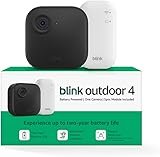
Check each product page for other buying options. Price and other details may vary based on product size and color.
Highly rated by customers for quality and value. Click to see current pricing and customer reviews.
More Top-Rated Options


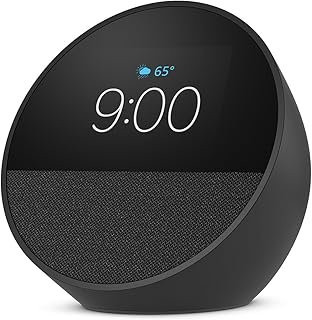
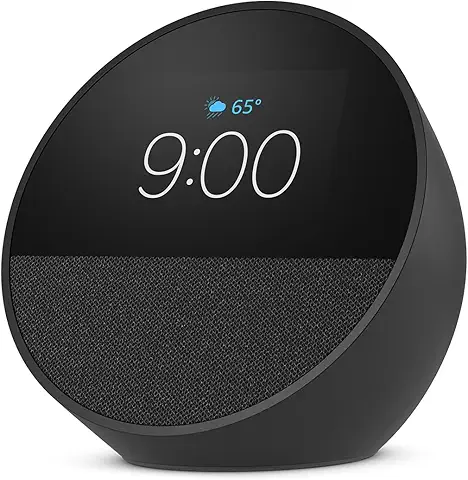
Smart Climate Control
Smart climate control systems have revolutionized home comfort and energy efficiency, with advanced algorithms reducing HVAC energy consumption by up to 23% annually. Machine learning capabilities now predict occupancy patterns, weather impacts, and seasonal preferences to optimize heating and cooling automatically. Integration with utility companies enables demand response programs that reduce costs during peak usage periods.
Smart Thermostats
Modern smart thermostats incorporate room sensors, humidity control, and air quality monitoring into comprehensive climate management systems. Geofencing technology automatically adjusts settings based on occupancy, while integration with weather forecasting enables proactive temperature adjustments. Professional installation is recommended for systems with multiple zones or complex HVAC configurations.
The Nest Learning Thermostat (4th Generation) leads with its adaptive learning algorithms that understand household routines within one week of installation. The device automatically creates schedules based on manual adjustments, while the Eco mode reduces energy consumption when homes are unoccupied. Integration with Nest sensors enables room-by-room temperature control in compatible systems.
Ecobee SmartThermostat includes built-in Amazon Alexa functionality and room sensors that ensure even temperature distribution throughout homes. The device's occupancy detection prevents heating or cooling empty rooms, while the smart recovery feature ensures comfort when residents return. Professional installation support includes compatibility checking and system optimization.
Honeywell T9 Smart Thermostat focuses on room-by-room comfort with wireless sensors that monitor temperature and humidity in up to 20 different areas. The system prioritizes occupied rooms while maintaining energy efficiency in unused spaces. Integration with smart home platforms enables voice control and automation scenarios.
Smart Air Purifiers
Air quality monitoring has become integrated into smart home ecosystems, with purifiers automatically adjusting filtration levels based on pollution detection. HEPA filtration combined with activated carbon removes 99.97% of particles while eliminating odors and volatile organic compounds. Smart sensors detect pollen, dust, smoke, and other airborne contaminants in real-time.
Dyson Pure Hot+Cool provides year-round functionality with heating, cooling, and air purification capabilities. The device's HEPA and activated carbon filters capture ultrafine particles while the intelligent thermostat maintains comfortable temperatures. Smartphone app control includes scheduling, air quality reporting, and filter replacement reminders.
Coway Airmega Smart Air Purifiers offer exceptional value with professional-grade filtration at consumer prices. The devices include pollution sensors that automatically adjust fan speeds based on air quality conditions. Energy-efficient operation costs less than $50 annually while maintaining continuous air cleaning.
Smart HVAC Accessories
Smart vents and dampers enable zone-based climate control in homes with traditional HVAC systems. These devices automatically open and close based on room occupancy, temperature preferences, and system efficiency requirements. Professional installation ensures proper system balancing and prevents equipment damage from restricted airflow.
Smart humidity controllers prevent mold growth and improve comfort by maintaining optimal moisture levels throughout homes. These systems work with existing HVAC equipment while providing smartphone-based monitoring and control. Integration with smart sensors enables automatic adjustments based on weather conditions and occupancy patterns.
Smart Entertainment Systems
Smart entertainment systems have evolved into immersive experiences that adapt to user preferences and integrate seamlessly with home automation. Advanced AI algorithms now curate personalized content recommendations across multiple platforms while optimizing audio and video settings for specific content types. Voice control has become sophisticated enough to understand context and execute complex commands across multiple devices simultaneously.
Smart TVs and Streaming Devices
4K resolution has become standard, with 8K models offering future-proof capabilities for early adopters. HDR technology provides stunning visual quality with improved contrast and color accuracy. Gaming modes reduce input lag to under 20 milliseconds, satisfying competitive gamers' requirements. Smart TV operating systems now support hundreds of streaming applications with intuitive navigation interfaces.
Samsung Neo QLED 8K TVs lead the premium segment with quantum dot technology and neural network upscaling. The Tizen operating system provides smooth performance with extensive app support and voice control integration. Gaming features include variable refresh rate and auto low latency mode for optimal console performance.
Apple TV 4K offers the most premium streaming experience with the A15 Bionic chip providing lightning-fast performance. Integration with the Apple ecosystem enables seamless content sharing from iPhones and iPads. The device supports all major HDR formats and provides exceptional upscaling for lower-resolution content.
Amazon Fire TV devices provide excellent value with comprehensive streaming capabilities and Alexa integration. The interface prioritizes Amazon content but supports all major streaming platforms. Voice remote functionality includes TV control and smart home device management through simple voice commands.
Smart Speakers and Audio Systems
Audio quality has improved dramatically with smart speakers now rivaling dedicated stereo systems. Multi-room synchronization enables whole-home audio distribution with precise timing across multiple speakers. Voice recognition accuracy has reached professional levels, understanding whispered commands and operating effectively in noisy environments.
Sonos Era 300 represents the pinnacle of smart speaker technology with spatial audio capabilities and exceptional sound quality. The device supports multiple voice assistants while maintaining privacy through local processing options. Integration with streaming services includes high-resolution audio support and automatic EQ adjustment.
Amazon Echo Studio provides room-filling sound with 3D audio processing and automatic acoustic calibration. The device serves as a smart hub for Zigbee devices while offering premium music streaming with Amazon Music HD. Voice control extends to comprehensive smart home management and entertainment system operation.
Google Nest Audio offers balanced sound quality with Google Assistant's superior natural language processing. The speaker learns user preferences and provides personalized responses to queries. Integration with Google services includes calendar management, traffic updates, and smart home control through conversational commands.
Gaming and Media Integration
Gaming integration has expanded beyond traditional consoles to include cloud gaming services and mobile device streaming. Smart TVs now support major cloud gaming platforms without additional hardware requirements. Low-latency networking ensures responsive gameplay while smart home integration enables gaming-optimized lighting and audio scenarios.
NVIDIA Shield TV Pro continues to dominate the high-end streaming device market with 4K HDR gaming capabilities and AI-enhanced upscaling. The device supports GeForce NOW cloud gaming and local game streaming from gaming PCs. Android TV provides access to mobile games while maintaining compatibility with game controllers.
Smart Kitchen and Appliances
Smart kitchen technology has transformed cooking and food management with appliances that learn preferences, suggest recipes, and optimize energy consumption. Integration between appliances creates cohesive cooking experiences where ovens preheat automatically when meal preparation begins. Food waste has decreased significantly through intelligent inventory management and expiration date monitoring systems.
Smart Kitchen Appliances
Smart refrigerators now feature internal cameras that track inventory and suggest recipes based on available ingredients. Energy efficiency has improved by 40% compared to traditional models while adding advanced features like precise temperature control for different food types. Voice control enables hands-free operation during cooking, while smartphone apps provide remote monitoring and control capabilities.
Samsung Family Hub refrigerators lead the market with 32-inch touchscreen displays and comprehensive smart features. The internal cameras provide inventory management while the meal planning app suggests recipes and creates shopping lists. Integration with grocery delivery services enables automatic reordering of frequently used items.
LG InstaView Smart Refrigerators combine transparent door panels with knock-to-illuminate features that reduce cold air loss. The ThinQ app provides energy monitoring and diagnostic capabilities while enabling remote temperature adjustments. Voice control through multiple assistants provides hands-free operation during meal preparation.
Smart cooking appliances have revolutionized meal preparation with guided cooking modes and automatic temperature control. Connected ovens include food probes that monitor internal temperatures while smartphone apps provide step-by-step cooking instructions. Integration with recipe platforms enables seamless meal planning and preparation coordination.
Smart Home Monitoring Devices
Environmental monitoring has expanded beyond traditional smoke detectors to include comprehensive air quality, humidity, and temperature monitoring throughout homes. Smart sensor networks detect water leaks, gas leaks, and other potentially dangerous conditions while sending immediate alerts to homeowners and emergency services. Professional monitoring integration provides 24/7 oversight with automatic emergency response coordination.
Nest Protect smoke and carbon monoxide detectors provide voice alerts that specify the type and location of detected threats. The device includes self-testing capabilities and smartphone notifications for low battery conditions. Integration with other Nest devices enables automatic responses like turning on lights during emergencies and shutting down HVAC systems during smoke detection.
First Alert Onelink detectors combine smoke, carbon monoxide, and indoor air quality monitoring in single devices. Voice location alerts help identify specific threat locations while the smartphone app provides detailed status information. Professional monitoring integration enables automatic emergency services notification when threats are detected.
Water leak detection systems now include smart sensor networks that monitor pipes, appliances, and potential leak locations throughout homes. Automatic water shutoff capabilities prevent major damage by immediately stopping water flow when leaks are detected. Insurance companies often provide discounts for homes equipped with comprehensive water monitoring systems.
Connected Cleaning Solutions
Robotic vacuum technology has advanced to include precise room mapping, obstacle avoidance, and automatic debris disposal. Modern units create detailed floor plans while learning optimal cleaning patterns for different room types. Integration with smart home systems enables voice control and scheduled cleaning based on occupancy patterns.
iRobot Roomba j7+ leads the premium segment with advanced object recognition that avoids pet waste and charging cables. The Clean Base automatic dirt disposal system eliminates manual emptying for up to 60 days. Smart mapping enables room-specific cleaning requests and no-go zone creation through the smartphone app.
Roborock S8 Pro Ultra provides comprehensive floor cleaning with vacuuming, mopping, and self-cleaning capabilities. The device's sonic vibration mopping removes stubborn stains while the obstacle avoidance prevents furniture damage. Automatic mop washing and drying prevents odors and maintains hygiene between cleaning cycles.
Hub and Control Systems
Smart home hubs have evolved into powerful central processing units that enable local automation and reduce dependence on cloud services. Modern hubs process complex automation scenarios locally, ensuring continued operation during internet outages. Integration capabilities now support hundreds of device protocols while providing unified control interfaces for diverse smart home ecosystems.
Central Smart Home Hubs
The debate between hub-based and hubless systems continues, with each approach offering distinct advantages. Hub-based systems provide superior automation capabilities, local processing, and protocol translation between different device types. Hubless systems offer simpler setup and lower costs but may lack advanced automation features and local processing capabilities.
SmartThings Hub v4 provides comprehensive protocol support including Zigbee 3.0, Z-Wave Plus, and Matter compatibility. The device's edge processing capabilities enable local automation execution while cloud integration provides remote access and advanced features. Professional installation services ensure optimal placement and configuration for maximum performance.
Hubitat Elevation focuses on local processing with powerful automation engines that operate independently of internet connectivity. The system supports complex automation scenarios while maintaining user privacy through local data processing. Advanced users appreciate the detailed customization options and extensive device compatibility.
Amazon Echo Plus combines smart speaker functionality with built-in Zigbee hub capabilities, providing an entry-level hub solution. The device simplifies setup for basic automation while maintaining compatibility with the extensive Alexa ecosystem. Voice control integration enables natural language automation management and device control.
Voice Assistants and Smart Displays
Voice recognition accuracy has reached 98% for natural language commands while adding support for multiple languages and regional dialects. Smart displays combine voice control with visual interfaces that display relevant information and enable touch-based interaction. Privacy features now include local processing options and physical privacy switches for microphones and cameras.
Amazon Echo Show 15 features a 15.6-inch display that serves as a family command center with shared calendars, notes, and smart home controls. The device's visual ID technology recognizes family members and provides personalized information displays. Wall mounting options integrate the display seamlessly into kitchen and living room environments.
Google Nest Hub Max combines premium display quality with advanced gesture controls and face recognition. The device serves as a security monitor displaying camera feeds while providing comprehensive smart home control interfaces. Integration with Google services includes personalized scheduling, traffic updates, and entertainment recommendations.
Apple HomePod mini prioritizes privacy with on-device processing for Siri requests while providing excellent audio quality in a compact form factor. The device serves as a HomeKit hub enabling remote access to compatible smart home devices. Integration with Apple's ecosystem provides seamless audio handoff and multi-room synchronization.
Mobile Apps and Control Interfaces
Smartphone apps have become the primary control interface for smart home systems, with intuitive designs that accommodate both novice and advanced users. Widget support enables quick device control without opening full applications while automation interfaces simplify complex scenario creation. Cross-platform compatibility ensures consistent experiences across iOS and Android devices.
Manufacturer-specific apps continue improving with regular updates that add features and enhance performance. Third-party applications like Home Assistant provide advanced customization options for technical users while maintaining compatibility with multiple device ecosystems. Voice control integration within apps enables hands-free operation during use.
Installation and Setup Considerations
Smart home installation complexity varies significantly between device types, with some requiring professional installation while others support simple plug-and-play operation. Network infrastructure often requires upgrades to support multiple connected devices reliably. Planning and preparation prevent common issues and ensure optimal system performance from initial setup.
DIY vs. Professional Installation
DIY installation has become more accessible with improved documentation, video tutorials, and customer support resources. Smart plugs, bulbs, and battery-powered sensors typically require minimal technical knowledge while hardwired devices may need electrical expertise. Professional installation ensures optimal performance and provides warranties on installation quality.
Electrical work including smart switches, hardwired security cameras, and smart thermostats often requires professional installation to meet local building codes. Licensed electricians ensure safe installation while optimizing device placement for maximum effectiveness. Professional installers also provide system integration services that coordinate multiple device types into cohesive automation scenarios.
Network optimization may require professional assessment to ensure adequate coverage and bandwidth for smart home devices. Wi-Fi extenders, mesh systems, and ethernet backbone installations improve reliability and performance. Professional network assessment identifies potential interference sources and recommends optimal equipment placement.
Network Requirements and Optimization
Modern smart homes require robust networking infrastructure with sufficient bandwidth and coverage throughout all areas. Wi-Fi 6 routers provide improved performance for multiple connected devices while mesh systems eliminate dead zones. Dedicated IoT networks isolate smart home devices from personal computers and mobile devices for enhanced security.
Bandwidth requirements vary significantly between device types, with security cameras consuming the most data during active recording and streaming. Voice assistants and smart sensors require minimal bandwidth while smart TVs and streaming devices need substantial capacity for 4K content. Network monitoring tools identify devices consuming excessive bandwidth and potential performance bottlenecks.
Internet service provider selection impacts smart home performance, with upload speeds becoming increasingly important for security cameras and remote access. Fiber connections provide optimal performance while cable and DSL services may require speed upgrades to support comprehensive smart home systems. Backup internet connections ensure continued operation during primary service outages.
Troubleshooting Common Issues
Connectivity problems represent the most common smart home issues, often resolved through device resets, network optimization, or firmware updates. Interference from neighboring Wi-Fi networks, microwave ovens, and baby monitors can disrupt device communications. Professional site surveys identify interference sources and recommend mitigation strategies.
Device compatibility issues may arise when mixing brands or attempting to integrate older devices with newer systems. Firmware updates often resolve compatibility problems while improving device performance and adding features. Manufacturer support quality varies significantly, with some brands providing excellent technical assistance while others offer limited help.
Power management becomes critical in battery-powered devices, with proper placement and settings optimization extending battery life significantly. Low battery alerts prevent device failures while scheduled maintenance ensures continued reliable operation. Professional maintenance services provide comprehensive system health monitoring and preventive care.
Budget Analysis and Value Comparison
Smart home investment strategies should balance immediate functionality needs with long-term expansion plans and technology evolution. Entry-level systems provide basic automation and remote control capabilities while premium systems offer advanced AI, local processing, and professional-grade features. Total cost of ownership includes initial equipment, installation, ongoing subscriptions, and maintenance expenses over typical 5-7 year lifespans.
Entry-Level Smart Home Packages
Starter smart home packages under $500 provide essential automation capabilities including lighting control, basic security monitoring, and voice assistant integration. These systems typically focus on single-room implementations or specific use cases like bedroom lighting and front door security. Expansion capabilities allow gradual system growth as budgets and needs evolve.
Amazon Echo ecosystem starter packages include Echo Dot speakers, smart plugs, and compatible bulbs for under $200. The system provides voice control, basic scheduling, and smartphone app management while supporting hundreds of compatible devices. Professional installation is unnecessary, making these systems accessible to renters and budget-conscious homeowners.
Google Nest Mini packages offer similar functionality with superior natural language processing and integration with Google services. Starter packages include smart speakers, thermostats, and security cameras for comprehensive basic automation. The system's learning capabilities improve performance over time while maintaining simple operation for all family members.
TP-Link Kasa systems focus on networking expertise with reliable Wi-Fi connectivity and comprehensive smartphone app control. Starter packages include smart switches, outlets, and cameras that operate without additional hubs. The manufacturer's networking background ensures robust performance and regular firmware updates for long-term reliability.
Mid-Range System Recommendations
Mid-range smart home systems between $500-2000 provide multi-room automation, advanced security features, and integration between multiple device types. These systems typically include central hubs or advanced voice assistants that coordinate complex automation scenarios. Professional installation may be recommended for optimal performance and system integration.
Philips Hue lighting systems combined with SmartThings hubs create sophisticated automation scenarios with color-changing bulbs, motion sensors, and scheduling capabilities. Mid-range packages provide whole-home lighting control with energy monitoring and security integration. The system supports gradual expansion with hundreds of compatible accessories and third-party integrations.
Ring security systems at mid-range budgets include multiple cameras, doorbell integration, and professional monitoring services. The systems provide comprehensive property surveillance with smartphone alerts and cloud storage. Integration with Alexa devices enables voice control and automation based on security system status.
Premium Smart Home Solutions
Premium smart home installations exceeding $5000 provide luxury features, professional-grade equipment, and comprehensive automation throughout entire homes. These systems often include custom integration work, architectural lighting control, and advanced AI capabilities. Professional design and installation ensure optimal performance and seamless integration with home architecture.
Lutron lighting control systems represent the premium standard with fade rates, load compatibility, and reliability that exceed consumer-grade alternatives. Professional programming creates sophisticated lighting scenes while integration with security and HVAC systems provides comprehensive automation. System warranties and support ensure long-term performance and manufacturer backing.
Control4 home automation platforms provide custom programming and integration capabilities for luxury installations. These systems coordinate lighting, audio/video, security, and climate control into unified experiences controlled through custom interfaces. Professional dealers provide ongoing support and system updates throughout the product lifecycle.
Privacy, Security, and Future-Proofing
Smart home security encompasses both cybersecurity protection against hackers and privacy protection regarding personal data collection and sharing. Manufacturer data policies vary significantly, with some companies prioritizing user privacy while others monetize data collection. Local processing capabilities reduce privacy risks while improving performance and reliability during internet outages.
Data Privacy Best Practices
Understanding manufacturer data collection policies helps consumers make informed decisions about smart home device selection. Companies like Apple prioritize on-device processing and encrypted communications while others may share data with advertisers and partners. Privacy-focused alternatives often cost more but provide superior data protection and user control over personal information.
Network segmentation isolates smart home devices from personal computers and mobile devices, preventing potential security breaches from accessing sensitive personal information. Guest network configurations provide additional security while IoT-specific networks enable monitoring and control of device communications. Professional network security assessment identifies vulnerabilities and recommends protective measures.
Regular privacy audits review connected devices, data sharing settings, and account permissions to maintain optimal privacy protection. Many devices include privacy settings that limit data collection while maintaining functionality. Understanding and configuring these settings ensures personal information protection while preserving smart home convenience and automation capabilities.
Security Vulnerability Assessment
Smart home devices require regular security updates to address newly discovered vulnerabilities and maintain protection against evolving threats. Manufacturers vary significantly in their commitment to providing timely security patches, with some devices receiving updates for many years while others lose support quickly. Choosing devices from reputable manufacturers with strong security track records reduces long-term risks.
Password management becomes critical with multiple connected devices requiring secure authentication. Default passwords must be changed immediately while unique, strong passwords prevent unauthorized access. Two-factor authentication adds additional security layers while regular password updates maintain optimal protection levels.
Network monitoring tools detect unusual device behavior that might indicate security compromises or malfunctioning equipment. Professional security monitoring services provide 24/7 oversight while alerting homeowners to potential threats. Regular security assessments ensure continued protection as smart home systems expand and evolve.
Future Technology Compatibility
Technology evolution requires careful consideration of upgrade paths and long-term device support when planning smart home investments. Matter protocol adoption provides improved compatibility between brands while reducing dependence on specific manufacturer ecosystems. Choosing devices with strong industry standards support ensures continued functionality as technology evolves.
Manufacturer reputation and financial stability influence long-term device support and feature updates. Established companies with diversified product portfolios typically provide better long-term support than startups focused on single product categories. Professional installation companies often provide guidance on manufacturer selection based on long-term support track records.
Modular system design enables gradual upgrades and technology refresh without complete system replacement. Hub-based systems often support device replacement while maintaining automation programming and user preferences. Planning for technology evolution prevents obsolescence while maximizing return on smart home investments through extended useful life and upgrade flexibility.
🔌 Editor's Pick
Editor's Pick: Voice-controlled smart display with built-in motion sensor for home security and automation.
Make Your Home Smarter
Device reviews, automations, and the deals worth grabbing.

