
How Smart Thermostats Deliver Energy Savings
Smart thermostat energy savings have transformed how homeowners manage their heating and cooling costs, offering unprecedented control and efficiency through intelligent automation. These innovative devices learn your habits, optimize temperature schedules, and provide detailed insights into your energy consumption patterns. Unlike traditional thermostats that maintain constant temperatures regardless of occupancy, smart thermostats adapt to your lifestyle while prioritizing maximum efficiency and comfort.
Automated Temperature Scheduling
Precision scheduling represents the foundation of smart thermostat energy savings, automatically adjusting temperatures based on your daily routines to reduce consumption when you’re away or sleeping. These intelligent systems create multiple schedules for weekdays and weekends, ensuring optimal comfort while eliminating energy waste.
Advanced scheduling capabilities include vacation modes for extended absences and gradual temperature transitions that prevent energy spikes from sudden HVAC demands. This intelligent approach typically reduces energy consumption by 15-20% compared to manual thermostat operation, translating into substantial utility bill reductions.
Occupancy Detection and Geofencing
Revolutionary motion sensors and smartphone geofencing technology enable smart thermostats to detect occupancy patterns with remarkable accuracy. When integrated with security cameras or smart speakers, they create a comprehensive detection system that eliminates energy waste on empty spaces.
Geofencing leverages your smartphone’s location to automatically adjust temperatures as you approach or leave home. This eliminates the common oversight of forgetting thermostat adjustments when departing, while ensuring your home reaches comfortable temperatures precisely when you arrive.
Learning Algorithms and Adaptive Control
Sophisticated machine learning algorithms analyze your adjustment patterns, your home’s thermal characteristics, and local weather conditions to optimize intelligent thermostat energy efficiency. These systems learn heating and cooling response times, adjusting start schedules to achieve desired temperatures with minimal energy expenditure.
The learning process typically requires 1-2 weeks of observation before delivering optimal performance. Once trained, these systems anticipate your preferences and make micro-adjustments that maintain perfect comfort while reducing annual energy consumption by up to 23%.
Smart Thermostat Features That Maximize Efficiency
Real-Time Energy Monitoring
Comprehensive energy monitoring transforms how you understand your HVAC consumption, providing detailed reports that identify peak usage periods and optimization opportunities. These insights enable data-driven decisions that amplify smart thermostat energy savings through targeted behavioral adjustments.
Monthly and yearly reports include comparisons to similar homes in your area, contextualizing your consumption patterns. Weather-adjusted efficiency scores account for seasonal variations, helping you maintain consistent energy performance regardless of external conditions.
Multi-Zone Temperature Control
Advanced zoning capabilities deliver precision temperature control across different home areas, heating or cooling only occupied spaces for maximum efficiency. This targeted approach proves especially valuable in larger homes with varying occupancy patterns throughout the day.
Integration with smart vents and dampers creates comprehensive zoned HVAC systems responding to individual room sensors. This strategic approach can reduce energy consumption by 30-40% compared to whole-house control, particularly when combined with occupancy detection from security cameras or motion sensors.
Weather Integration and Predictive Heating
Intelligent weather integration enables smart thermostats to anticipate temperature changes and adjust HVAC operation proactively. This predictive capability prevents unnecessary heating or cooling when outdoor conditions naturally support comfortable indoor environments.
Humidity control features work synergistically with temperature management to optimize comfort while minimizing energy consumption. By maintaining ideal humidity levels, your home feels comfortable at more energy-efficient temperature settings, significantly reducing HVAC system loads.
Smart Home Integration Benefits
Seamless integration with smart speakers, lighting systems, and security devices transforms your thermostat into a comprehensive energy management hub. Voice control through smart speakers enables effortless adjustments, while robot vacuums can trigger occupancy modes during scheduled cleaning cycles.
Coordinated lighting and temperature scenes optimize both comfort and efficiency simultaneously. “Movie mode” might dim lights and adjust cooling temperatures, while “bedtime mode” creates energy-efficient transitions across all connected devices for maximum overnight savings.
Installation and Setup for Maximum Energy Savings
Professional vs. DIY Installation
Strategic installation decisions directly impact your potential for smart thermostat energy savings, making proper setup crucial for optimal performance. While basic models accommodate DIY installation, professional setup ensures ideal placement, precise calibration, and seamless HVAC integration for peak efficiency.
Professional installers identify potential issues like suboptimal sensor placement, wire gauge limitations, or compatibility challenges that could compromise energy-saving performance. They ensure proper configuration of multi-stage systems, essential for maximizing efficiency in complex HVAC installations.
Optimal Placement Strategies
Strategic thermostat placement significantly influences energy-saving performance, requiring locations that avoid direct sunlight, heat sources, and drafts that trigger false readings. Central locations with excellent air circulation provide accurate temperature readings for effective whole-home comfort control.
Consider proximity relationships with other smart home devices when selecting placement locations. Position your thermostat away from entertainment center heat generation or smart speaker interference, ensuring occupancy sensors can effectively monitor home activity patterns.
Initial Configuration and Calibration
Meticulous initial setup maximizes smart thermostat energy savings potential through accurate home profile information including square footage, insulation quality, and HVAC specifications. Smart thermostats utilize this data to optimize learning algorithms and customize energy-saving strategies.
Precise temperature calibration ensures readings match actual room conditions for optimal performance. Verify calibration accuracy using a separate, reliable thermometer placed near the thermostat location, making manual adjustments when necessary for maximum precision.
Measuring and Monitoring Your Energy Savings
Energy Usage Analytics
Comprehensive analytics dashboards reveal detailed consumption patterns that amplify your understanding of energy usage optimization opportunities. Daily, weekly, and monthly reports highlight factors influencing consumption, including weather conditions, schedule changes, and behavioral patterns.
Advanced efficiency ratings compare actual energy use against optimal performance benchmarks for your home’s specific characteristics. These insights identify additional savings opportunities through schedule refinements, temperature preference adjustments, or strategic behavioral modifications.
Cost Savings Calculations
Smart thermostats translate energy reductions into precise dollar savings, demonstrating exactly how much money you save compared to traditional thermostat operation. These calculations incorporate local energy rates and seasonal heating and cooling cost variations for accurate projections.
Annual savings reports project future benefits based on current usage patterns, helping quantify long-term return on investment. Most users achieve annual savings of $150-300, depending on home size, local energy rates, and previous system efficiency levels.
Utility Rebates and Incentive Programs
Utility companies increasingly offer substantial rebates for smart thermostat installations, recognizing their potential for reducing peak energy demand. These programs often specify qualifying models or require participation in demand response initiatives that automatically adjust temperatures during high-usage periods.
Ongoing incentives reward maintaining energy-efficient settings or participating in grid optimization programs. These opportunities significantly improve smart thermostat return on investment while contributing to overall electrical grid stability and efficiency.
Advanced Energy Optimization Strategies
Seasonal Adjustment Techniques
Maximizing year-round smart thermostat energy savings requires strategic seasonal adjustments that account for changing weather patterns and fluctuating energy costs. Summer strategies focus on peak cooling efficiency, while winter approaches emphasize heating performance and humidity management.
Automated maintenance reminders ensure HVAC systems operate at peak efficiency throughout all seasons. Smart thermostats track system runtime and provide timely alerts for filter changes or professional maintenance, preventing efficiency losses that increase energy consumption unnecessarily.
Integration with Renewable Energy Systems
Smart thermostats excel at optimizing energy usage in homes with solar panels by shifting heating and cooling loads to align with peak generation periods. This integration maximizes self-generated energy utilization while reducing expensive grid power dependence during peak rate hours.
Battery storage systems create synergistic relationships with smart thermostats for comprehensive energy management solutions. Thermostats can adjust HVAC operation to charge thermal mass during abundant battery power periods, reducing energy needs during costly peak rate windows.
Behavioral Optimization Recommendations
Personalized recommendations based on your usage patterns and home characteristics accelerate energy efficiency improvements beyond basic automation. These suggestions include optimal temperature settings for different times, schedule adjustment opportunities, and identification of energy-wasting behavioral patterns.
Gamification features and efficiency challenges encourage continuous optimization through weekly performance scores and comparisons to similar homes. This ongoing motivation drives sustained improvement in energy-saving behaviors and long-term consumption reduction.
Troubleshooting Common Energy Efficiency Issues
Sensor Calibration and Accuracy
Maintaining accurate temperature readings proves essential for consistent smart thermostat energy savings, as inaccurate sensors trigger unnecessary heating or cooling cycles. Regular calibration verification ensures optimal response to actual room conditions rather than false readings from placement issues or sensor drift.
Common calibration challenges include interference from nearby heat sources, inadequate air circulation, or gradual sensor aging over time. Most smart thermostats provide diagnostic features and calibration tools that help identify and correct these performance-limiting issues quickly.
Wi-Fi Connectivity and Smart Features
Reliable internet connectivity enables access to advanced energy-saving features like weather integration, remote scheduling, and comprehensive usage analytics. Connection disruptions can force thermostats into basic operation modes that eliminate optimal efficiency capabilities.
Regular firmware updates ensure access to the latest energy-saving algorithms and compatibility improvements. Enable automatic updates whenever possible, or establish monthly checks for new features that could enhance your system’s efficiency and energy-saving potential.
HVAC System Compatibility Issues
Addressing compatibility challenges between smart thermostats and existing HVAC systems ensures access to all advanced energy-saving features. Common issues include improper multi-stage system control, heat pump auxiliary heat management complications, or humidification system integration problems.
Professional system evaluation can identify compatibility limitations and recommend solutions such as interface modules, wiring upgrades, or alternative thermostat models that better match your HVAC capabilities for maximum energy efficiency.
Ready to maximize your home’s energy efficiency? Start by evaluating your current thermostat’s performance and explore how smart thermostat energy savings could transform your utility bills. With proper installation, configuration, and optimization strategies, you can achieve substantial energy reductions while maintaining perfect comfort year-round.

Check each product page for other buying options. Price and other details may vary based on product size and color.
Highly rated by customers for quality and value. Click to see current pricing and customer reviews.
More Top-Rated Options

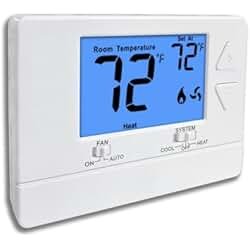

🔌 Editor’s Pick
Editor’s Pick: Smart thermostat paired with a smart sensor for room-by-room energy savings.
Make Your Home Smarter
Device reviews, automations, and the deals worth grabbing.

