
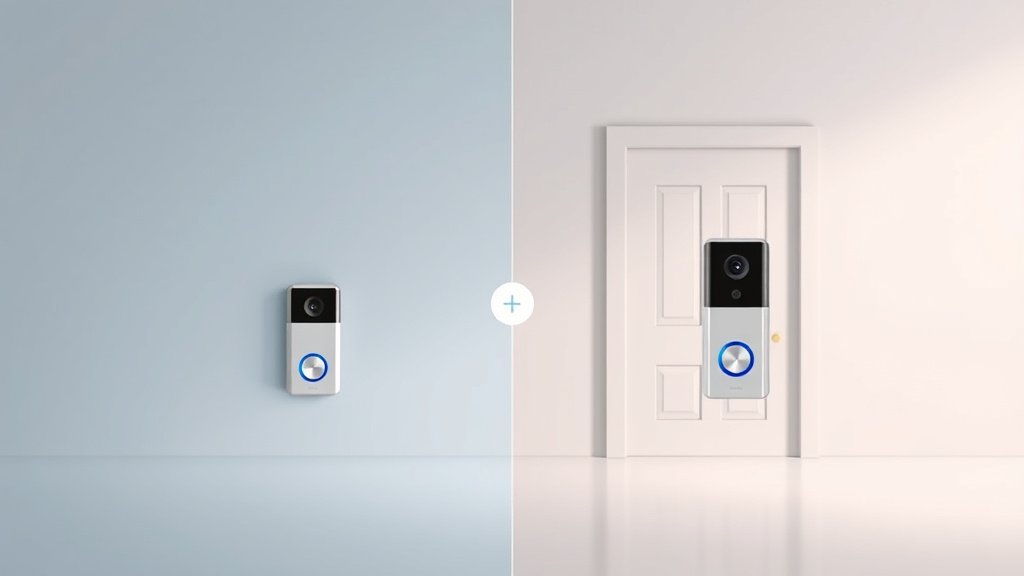
Top Video Doorbell Brands and Models in 2024
Ring Video Doorbells: The Market Leader
When conducting any video doorbell comparison, Ring consistently emerges as the dominant force, thanks to its comprehensive ecosystem of smart home security devices. The Ring Video Doorbell Pro 2 stands out as their flagship model, delivering 1536p HD video resolution and advanced motion detection capabilities that set the standard for the industry. What truly distinguishes Ring is its seamless integration with other smart home devices, including Alexa-enabled smart speakers that can announce when someone approaches your door.
Beyond individual doorbells, the Ring ecosystem creates a unified home security network that includes security cameras and alarm systems. Their subscription service, Ring Protect, provides cloud storage alongside advanced features like person detection and package alerts. Meanwhile, the Ring Video Doorbell 4 offers improved battery life and quick-release battery packs, making maintenance effortless for busy homeowners who demand reliable performance.
Nest (Google) Video Doorbells: AI-Powered Intelligence
Google's Nest Doorbell harnesses cutting-edge artificial intelligence to deliver superior person, package, and vehicle detection that outperforms many competitors. The continuous video recording feature distinguishes it from battery-powered alternatives, though this capability requires hardwired installation. Integration with Google Assistant and other Google smart home products creates a cohesive ecosystem that coordinates seamlessly with security cameras and smart displays throughout your home.
For maximum flexibility, the battery-powered Nest Doorbell accommodates homes without existing doorbell wiring while retaining most AI-powered features. Google's facial recognition technology learns and identifies familiar faces over time, sending personalized notifications when family members arrive home—a feature that proves invaluable for busy households.
Arlo Video Doorbells: Wire-Free Convenience
Arlo's video doorbells excel in wire-free installation and extended battery life, making them ideal for renters and homes without existing wiring. The Arlo Video Doorbell captures a 180-degree diagonal field of view, monitoring more of your doorstep than many competitors can manage. Arlo's strength derives from its professional-grade security camera technology, bringing enterprise-level features to residential applications without compromising ease of use.
The comprehensive Arlo ecosystem integrates smoothly with various smart home platforms while offering local storage options through Arlo base stations. This approach reduces dependence on cloud subscriptions while maintaining advanced features like motion zones and custom alerts that homeowners have come to expect.
Key Features to Compare When Choosing a Video Doorbell
Video Quality and Field of View
Video resolution directly impacts your ability to identify visitors and potential security threats, making it a crucial factor in any video doorbell comparison. Most premium video doorbells now deliver 1080p HD resolution as standard, with some models providing 1536p or even 2K resolution for crystal-clear footage. However, remember that higher resolution demands more bandwidth and storage space, potentially affecting your internet performance.
Field of view determines how much area your doorbell monitors effectively. Horizontal viewing angles typically range from 140 to 180 degrees, while vertical angles vary from 90 to 150 degrees. A wider field of view captures more activity but may result in distorted edges, so consider your porch layout and package delivery areas when evaluating this critical feature.
Two-Way Audio and Communication Features
Today's video doorbells feature sophisticated bidirectional audio systems that enable real-time conversations with visitors from anywhere. Audio quality varies significantly between models, with premium options offering noise cancellation and echo reduction for clearer communication. Advanced models include pre-recorded messages that automatically respond to visitors when you're unavailable, similar to how robot vacuums operate autonomously on preset schedules.
Smart speaker integration dramatically enhances communication capabilities, allowing you to answer your door through Alexa or Google Assistant devices throughout your home. Some systems broadcast doorbell notifications to all connected smart speakers, ensuring you never miss an important visitor regardless of your location within the house.
Motion Detection and Alert Customization
Intelligent motion detection prevents alert fatigue by distinguishing between people, animals, vehicles, and general movement with remarkable accuracy. Advanced algorithms create customizable motion zones, focusing alerts on specific areas like walkways while ignoring street traffic. This feature proves particularly valuable in busy neighborhoods where constant motion might otherwise trigger excessive notifications that diminish the system's effectiveness.
Smart integration allows motion alerts to trigger coordinated responses from other smart home devices. For example, doorbell motion can activate security cameras, illuminate smart lights, or pause robot vacuums to reduce noise during visitor interactions. The ability to customize sensitivity levels and alert schedules ensures notifications align perfectly with your daily routine and preferences.
Installation Requirements and Power Options
Hardwired vs Battery-Powered Models
Hardwired video doorbells connect directly to existing doorbell wiring, providing constant power that enables advanced features like continuous recording and mechanical chime activation. Installation typically requires basic electrical knowledge and may need professional assistance if existing wiring proves inadequate for modern smart doorbell demands. Hardwired models generally deliver more robust performance and access to premium features compared to their battery-powered counterparts.
Battery-powered models offer installation flexibility that appeals to homeowners without existing doorbell wiring or renters who cannot modify electrical systems. Modern lithium batteries last 6-12 months depending on usage patterns, motion frequency, and weather conditions. Some manufacturers offer solar panel accessories that extend battery life indefinitely in suitable climates, creating truly maintenance-free solutions.
WiFi Requirements and Network Considerations
Video doorbells require stable internet connectivity for remote monitoring and cloud features to function properly. Upload speeds of at least 2 Mbps per camera ensure smooth video streaming, though higher resolutions demand greater bandwidth allocation. Poor WiFi signal strength at your front door can cause connection drops and delayed notifications, making WiFi range extenders or mesh networks essential for optimal performance.
Consider your network's overall capacity when adding multiple smart home devices simultaneously. A video doorbell, multiple security cameras, smart speakers, and other connected devices can strain older routers beyond their capabilities. Quality of Service (QoS) settings can prioritize doorbell traffic to ensure reliable performance during critical security events when every second counts.
Professional vs DIY Installation
Most battery-powered video doorbells support straightforward DIY installation using basic tools and included mounting hardware. The process typically involves mounting the bracket, connecting to WiFi, and configuring the mobile app through step-by-step guidance. Manufacturers provide detailed instructions and comprehensive video tutorials to guide homeowners through setup without requiring technical expertise.
Hardwired installations may require professional assistance, particularly if electrical upgrades become necessary for proper operation. Older homes might need transformer upgrades to provide adequate power for smart doorbell features and consistent performance. Professional installation ensures proper wiring, optimal positioning, and seamless integration with existing chime systems while protecting your investment.
Smart Home Integration and Compatibility
Voice Assistant Integration
Modern video doorbells integrate seamlessly with popular voice assistants, transforming basic functionality into comprehensive smart home experiences. Amazon Alexa integration enables voice commands to view live feeds on Echo Show devices, announce visitors through smart speakers, and control doorbell settings completely hands-free. This integration creates a unified smart home experience where your doorbell works harmoniously with other connected devices throughout your living space.
Google Assistant compatibility delivers similar functionality with Nest Hub displays and Google smart speakers for streamlined control. Voice commands can instantly pull up live feeds, while the system announces visitor arrivals throughout your home automatically. Apple HomeKit integration, though less common among manufacturers, allows Siri control and seamless integration with other HomeKit-compatible devices for iOS-focused households.
Security System Integration
Professional security system integration transforms your video doorbell from a standalone device into a critical component of a comprehensive security network. Integration with established systems like ADT, Vivint, or SimpliSafe allows doorbell alerts to trigger coordinated system responses, including automatic security camera activation and immediate monitoring center notifications for enhanced protection.
DIY security systems frequently support video doorbell integration through platforms like SmartThings or Hubitat for customized automation. This enables sophisticated coordination between doorbells, security cameras, smart locks, and lighting systems. When someone approaches your door, the system can automatically illuminate exterior lights, begin recording on nearby cameras, and send instant alerts to your smartphone.
Third-Party App and Platform Support
IFTTT (If This Then That) compatibility expands automation possibilities far beyond manufacturer limitations, creating truly personalized experiences. Custom triggers can activate robot vacuums to quiet mode when visitors arrive, adjust smart thermostat settings based on occupancy detection, or flash smart lights when the doorbell rings. These integrations create a genuinely responsive smart home environment that adapts to your lifestyle.
Advanced home automation platforms like Home Assistant or OpenHAB offer sophisticated integration possibilities for tech-savvy users seeking maximum customization. These platforms can aggregate data from multiple sources, create complex automation routines, and provide unified control interfaces for diverse smart home devices, making any video doorbell comparison more comprehensive.
Subscription Services and Cloud Storage Options
Cloud Storage Plans and Pricing
Most video doorbell manufacturers offer carefully tiered subscription services for cloud storage and premium features that enhance functionality. Basic plans typically include 7-30 days of video history for $3-5 monthly, while premium plans extend storage duration and add valuable features like person detection or professional monitoring capabilities. When conducting a thorough video doorbell comparison, factor these ongoing costs into your total ownership expense for accurate budgeting.
Ring Protect plans start at just $3 monthly for single devices, while Ring Protect Plus covers unlimited devices for $10 monthly and includes extended warranties plus cellular backup protection. Google Nest Aware offers competitive pricing with advanced AI features and familiar face detection that learns over time. Consider your long-term needs carefully when evaluating subscription costs, as these fees can exceed the initial hardware investment over several years of ownership.
Local Storage Alternatives
Some manufacturers offer local storage options that reduce dependence on cloud subscriptions while maintaining essential functionality. Arlo base stations include robust local storage capabilities, allowing continuous video recording without monthly fees or internet dependencies. However, local storage does limit remote access and sharing capabilities compared to cloud solutions, which may affect convenience for some users.
Hybrid approaches combine the best aspects of local and cloud storage for optimal flexibility. These systems can store footage locally while maintaining cloud connectivity for remote access and instant sharing capabilities. This approach provides valuable redundancy and reduces bandwidth usage while preserving the convenience features that make video doorbells indispensable for modern homeowners.
Free vs Paid Feature Comparison
Understanding which features require ongoing subscriptions helps inform smart purchasing decisions and budget planning. Basic functionality like live viewing, two-way communication, and instant alerts typically work without subscriptions across most brands. Advanced features like extended video history, customizable motion zones, person detection, and cloud sharing generally require paid plans that vary significantly between manufacturers.
Some manufacturers artificially limit free features to encourage subscription adoption, which affects long-term value significantly. Compare the complete feature set available without subscriptions when evaluating different brands, as this dramatically impacts long-term functionality and overall satisfaction with your investment.
Security and Privacy Considerations
Data Encryption and Privacy Protection
Video doorbell security extends far beyond physical monitoring to encompass comprehensive digital privacy protection for your family. End-to-end encryption ensures that video streams and stored footage remain completely secure from interception or unauthorized access attempts. Look for devices that encrypt data both in transit and at rest, providing comprehensive protection for your sensitive home surveillance footage.
Privacy controls should enable granular management of data sharing and storage according to your preferences. Quality manufacturers provide transparent privacy policies, complete user control over data retention, and convenient options to delete stored footage permanently. Some systems offer privacy modes that disable recording during specified times or when family members are home, similar to how smart speakers can mute listening capabilities for enhanced privacy.
Network Security Best Practices
Securing your home network becomes absolutely crucial when adding internet-connected devices like video doorbells to your ecosystem. Regular firmware updates patch critical security vulnerabilities while improving functionality and performance. Enable automatic updates when available, or establish consistent routines to check for updates manually on devices that don't support automatic installation.
Network segmentation through dedicated guest networks or VLAN configurations can effectively isolate smart home devices from computers and smartphones containing sensitive personal information. This strategic approach limits potential damage if any smart home device becomes compromised while maintaining full functionality and convenience for daily use.
Legal and Ethical Considerations
Video doorbell placement and recording capabilities raise important legal and ethical questions that vary by location and jurisdiction. Recording public areas like sidewalks or neighbors' property may violate local privacy laws or HOA regulations, potentially resulting in legal complications. Position cameras to focus specifically on your property while minimizing capture of adjacent areas where people maintain reasonable privacy expectations.
Audio recording laws vary significantly by jurisdiction, with some states requiring explicit two-party consent for recording conversations legally. Understand local regulations thoroughly and consider posting clear notices about video surveillance to ensure compliance with applicable laws while maintaining effective security coverage for your home and family.
Making Your Final Decision
After evaluating all these factors in your video doorbell comparison, consider which features matter most for your specific situation and budget. Whether you prioritize advanced AI detection, seamless smart home integration, or budget-friendly operation, the right video doorbell can significantly enhance your home's security and convenience.
Ready to upgrade your home security? Start by assessing your current doorbell setup, WiFi strength at your front door, and smart home ecosystem preferences. Most manufacturers offer excellent return policies, allowing you to test different models and find the perfect fit for your home's unique needs and your family's lifestyle.
Make Your Home Smarter
Device reviews, automations, and the deals worth grabbing.

