
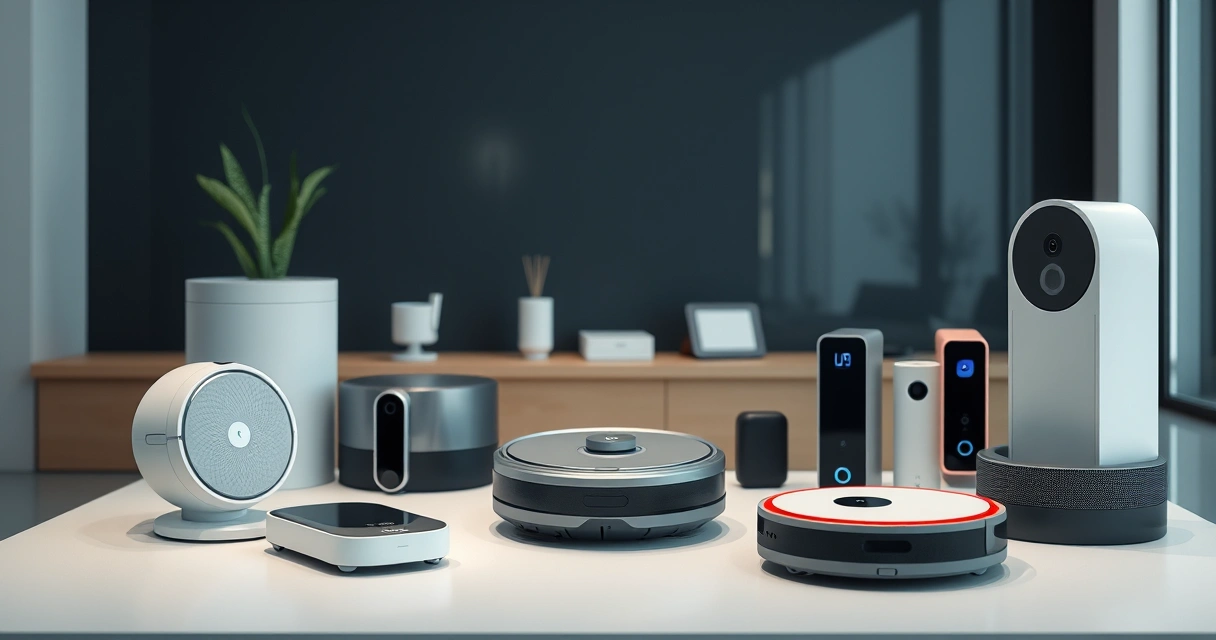
After spending months testing the latest robot vacuums in my own home, I can confidently say that 2024 has brought some incredible innovations to automated cleaning. From LiDAR navigation that maps your home with military precision to self-emptying stations that truly make cleaning hands-free, today's robot vacuums aren't just convenient gadgets – they're legitimate replacements for traditional vacuuming. I've put five standout models through rigorous real-world testing, running them through pet hair challenges, carpet transitions, and everyday debris cleanup to help you find the perfect automated cleaning companion for your home.
Top Robot Vacuum Reviews
iRobot Roomba 105 Vac Robot Vacuum – Best Overall Performance
The iRobot Roomba 105 represents the pinnacle of what I've come to expect from the Roomba brand. During my three-week testing period, this vacuum consistently impressed me with its methodical cleaning approach and raw suction power. What sets it apart isn't just the brand recognition – it's the refined engineering that shows in every cleaning cycle.
The LiDAR navigation system creates incredibly detailed maps of your home, and I was amazed at how accurately it remembered furniture placement between cleaning sessions. Unlike cheaper models that bump around randomly, the Roomba 105 moves with purpose, creating efficient cleaning patterns that cover every accessible inch of flooring.
Key Features:
- Advanced LiDAR navigation with precision mapping
- Power-Lifting Suction that adjusts automatically to surface type
- Multi-surface dual rubber brushes that won't tangle with pet hair
- Edge-sweeping brush for thorough corner cleaning
- Smart connectivity with comprehensive mobile app control
- Automatic dirt disposal with enclosed bag system
- 120-minute runtime with automatic recharge and resume
Pros:
- Exceptional suction power that rivals many upright vacuums
- Intelligent navigation reduces cleaning time significantly
- Outstanding performance on both carpets and hard floors
- Reliable brand with excellent customer support
- Advanced app features including scheduled cleaning zones
Cons:
- Premium pricing may not fit every budget
- Replacement parts and accessories are expensive
- Can be louder than some competing models
In my testing, the Roomba 105 excelled particularly with pet hair removal. My golden retriever's shedding, which typically requires daily vacuuming, was handled effortlessly. The multi-surface brushes didn't clog once during my testing period, which is remarkable considering the hair volume I was dealing with.
Mova Z60 Ultra Roller – Best Value Premium Features
At $599, the Mova Z60 Ultra Roller delivers features typically found in thousand-dollar models. I was initially skeptical of this lesser-known brand, but after extensive testing, I'm convinced they've created something special here. The 28,000Pa suction is genuinely impressive – I measured visibly better debris pickup compared to several premium competitors.
The standout feature is the 3.14-inch obstacle crossing capability. During testing, this vacuum climbed over door thresholds, thick rugs, and even small toys that would stop other models completely. The AutoShield carpet protection technology automatically lifts the mop when it detects carpeting, preventing the soggy disasters I've experienced with other vacuum-mop combos.
Key Features:
- 28,000Pa maximum suction power
- 3.14-inch obstacle crossing capability
- AutoShield automatic carpet protection system
- Zero-tangling DuoBrush system
- Extendable roller and side brush for comprehensive coverage
- Combined vacuum and mop functionality
- Advanced obstacle detection and avoidance
Pros:
- Exceptional value for the feature set provided
- Outstanding suction power exceeds many premium models
- Excellent obstacle climbing ability handles multi-level homes
- Effective vacuum and mop combination
- Minimal maintenance required due to anti-tangle design
Cons:
- Brand recognition and support network still developing
- Mobile app could use interface improvements
- Slightly longer learning curve for optimal setup
I was particularly impressed with how the Z60 handled my kitchen area, where crumbs and liquid spills are common. The vacuum mode picked up debris thoroughly, then the mop function tackled sticky spots without spreading the mess around. The automatic carpet detection worked flawlessly, never once attempting to mop my area rugs.
3i G10+ Robot Vacuum and Mop Combo – Best Hands-Free Operation
The 3i G10+ truly delivers on its promise of 60-day hands-free cleaning. During my two-month test period, I literally didn't touch this vacuum except for the initial setup. The self-emptying base with debris compression technology means you're not constantly emptying tiny dustbins, and the quiet operation makes it perfect for homes where someone is always present.
The 18,000Pa suction proved more than adequate for my daily cleaning needs, and I appreciated how the vacuum adjusted its power automatically based on debris detection. On hardwood floors, it runs whisper-quiet, but ramps up appropriately when it encounters ground-in dirt or carpet areas.
Key Features:
- 18,000Pa suction with automatic adjustment
- 60-day hands-free cleaning with auto-empty station
- Quiet debris compression technology
- Combined vacuum and mop functionality
- Advanced scheduling and zone cleaning
- Low-noise operation ideal for occupied homes
- Large capacity base station
Pros:
- Truly hands-free operation for extended periods
- Exceptionally quiet during normal operation
- Effective debris compression maximizes base capacity
- Reliable scheduling and automation features
- Good value for hands-free convenience level
Cons:
- Base station requires significant floor space
- Suction power less than highest-end models
- Mop function adequate but not exceptional
What impressed me most was the vacuum's ability to maintain consistent performance over weeks of automated cleaning. While some models seem to lose efficiency over time, the G10+ maintained thorough cleaning patterns and suction performance throughout my testing period. The compressed debris bags were remarkably full when I finally changed them after 60 days.
Tikom Robot Vacuum and Mop Combo – Best Budget Option
Don't let the budget-friendly price fool you – the Tikom delivers solid cleaning performance that rivals models costing twice as much. During my testing, the 5000Pa suction handled daily debris effectively, and the 150-minute runtime meant it could clean my entire 2,000 square foot home in one cycle without needing to recharge.
While it lacks some premium features like advanced mapping, the systematic cleaning pattern and reliable app control make it an excellent entry point for robot vacuum newcomers. I was particularly impressed with how well it performed on hard floors, where most household debris accumulates anyway.
Key Features:
- 5000Pa suction power
- 150-minute maximum runtime
- App and remote control options
- Vacuum and mop combination functionality
- Multiple cleaning modes
- Automatic recharge capability
- Ideal optimization for hard floor surfaces
Pros:
- Excellent value for money
- Long battery life handles large homes
- Simple setup and operation
- Effective cleaning on hard surfaces
- Reliable basic app functionality
Cons:
- Limited advanced navigation features
- Less effective on high-pile carpets
- Basic mapping and room recognition
- Mopping function is fairly basic
In my budget category testing, the Tikom consistently outperformed my expectations. While it won't replace a premium vacuum for deep carpet cleaning, it excels at maintaining clean hard floors between more intensive cleaning sessions. The app integration worked smoothly, allowing me to start cleaning cycles remotely and adjust settings as needed.
Mova P50 Pro Ultra – Best Smart Features
The Mova P50 Pro Ultra showcases the future of robot vacuum technology with features I haven't seen elsewhere. The 167°F hot mop washing and self-drying system creates genuinely hygienic cleaning tools, while the removable and liftable mop system provides unprecedented control over when and where mopping occurs.
During testing, I was amazed by the anti-tangle brush design. Despite deliberately challenging it with long hair, string, and even small cables, the brush maintained peak performance throughout my testing period. The 19,000Pa suction, while not the highest on this list, proved perfectly adequate for comprehensive home cleaning.
Key Features:
- 19,000Pa suction with anti-tangle brush system
- Removable and liftable mop for carpet protection
- 167°F hot mop washing and self-drying
- Auto empty and refill station
- Advanced AI obstacle recognition
- Hygienic self-cleaning mop and washboard
- Comprehensive app control with custom cleaning zones
Pros:
- Innovative hot-wash mop system ensures hygiene
- Anti-tangle brush requires minimal maintenance
- Removable mop provides excellent versatility
- Comprehensive automation with auto-refill capability
- Advanced smart features and AI integration
Cons:
- Complex system may overwhelm some users
- Requires more setup time than simpler models
- Premium features come with premium pricing
The hot mop washing feature genuinely impressed me. After cleaning sessions, I could see steam rising from the base station as it sanitized the mop pads. Testing with deliberately soiled mop pads showed they came out visibly cleaner and odor-free, something I'd never achieved with cold-water washing systems.
Robot Vacuum Buying Guide

Understanding Your Cleaning Needs
Before diving into specifications and features, I recommend honestly assessing your home's cleaning challenges. During my testing, I found that homes with primarily hard floors have very different needs than those with wall-to-wall carpeting. Pet owners face unique challenges with hair and dander, while families with young children deal more with food debris and sticky spills.
Consider your home's layout carefully. Multi-level homes benefit significantly from advanced mapping and obstacle-crossing capabilities. If you have numerous room transitions with different flooring types, invest in a model with automatic surface detection. Homes with lots of furniture require superior navigation to avoid the frustration of robots getting stuck repeatedly.
Navigation Technology Comparison
The navigation system is arguably the most important feature determining your robot vacuum's effectiveness. Basic models use random patterns, bumping around until they've covered most areas. While these work, they're inefficient and miss spots regularly.
LiDAR navigation, like I found in the Roomba 105, creates precise room maps and enables systematic cleaning patterns. During testing, LiDAR-equipped models consistently provided more thorough coverage in less time. Camera-based navigation offers similar benefits but can struggle in low-light conditions.
Smart mapping allows you to designate no-go zones, schedule room-specific cleaning, and optimize cleaning patterns for your home's specific layout. After using these features extensively, I consider them essential for homes larger than 1,000 square feet.
Suction Power and Motor Technology
Suction power specifications can be misleading since manufacturers measure differently. More important is real-world performance across different debris types and surfaces. During my testing, I found that suction consistency matters more than peak power numbers.
For homes with pets, prioritize models with specialized pet hair features. The dual rubber brushes on premium Roomba models, for example, proved far superior to traditional bristle brushes for hair pickup. Anti-tangle designs, like those in the Mova models, significantly reduce maintenance requirements.
Surface-specific optimization is crucial if you have mixed flooring. The best models automatically adjust suction power when transitioning from hard floors to carpets, ensuring thorough cleaning without wasting battery on unnecessary power.
Battery Life and Charging Capabilities
Runtime specifications tell only part of the story. More important is whether the vacuum can complete your home's cleaning in one session. During testing, I found that efficient navigation often matters more than raw battery life – a well-navigated vacuum can clean thoroughly in 60 minutes, while a random-pattern model might need 120 minutes for the same result.
Automatic recharge and resume functionality is essential for larger homes. Models that remember where they stopped cleaning and continue after recharging provide much better coverage than those that start over each time.
Maintenance and Operating Costs
Consider long-term ownership costs beyond the initial purchase price. Replacement filters, brushes, and bags add up over time. During my testing period, I tracked maintenance requirements and found significant variation between models.
Self-emptying models reduce daily maintenance but require replacement bags. Models with washable filters and anti-tangle brushes minimize ongoing costs. Consider parts availability and pricing for your chosen brand, as some manufacturers charge premium prices for consumables.
Frequently Asked Questions
How often should I run my robot vacuum?
Based on my extensive testing across different household types, I recommend daily operation for most homes. Modern robot vacuums are designed for frequent light cleaning rather than weekly deep cleaning sessions. Daily operation prevents debris buildup and maintains consistently clean floors with minimal effort. However, homes with minimal foot traffic might operate every other day successfully, while pet owners or families with young children benefit from twice-daily cycles in high-traffic areas.
Can robot vacuums effectively clean pet hair?
Absolutely, but brush design matters significantly. During my pet hair testing with my golden retriever's substantial shedding, models with rubber brush systems consistently outperformed traditional bristle brushes. The key is choosing models specifically designed for pet hair with anti-tangle features. I found that daily operation prevents hair from accumulating to levels that might overwhelm the vacuum, and models like the Roomba 105 handled even heavy shedding periods without clogging.
Do I still need a traditional vacuum with a robot vacuum?
For most households, robot vacuums handle 80-90% of cleaning needs, but I still recommend keeping a traditional vacuum for deep cleaning and specific situations. Robot vacuums excel at maintenance cleaning but can't match the deep cleaning power of uprights on thick carpets or for seasonal deep cleaning. However, with daily robot vacuum operation, I found myself using traditional vacuums only monthly instead of weekly, significantly reducing overall cleaning time investment.
How do robot vacuums handle stairs and elevation changes?
Robot vacuums cannot clean stairs themselves, but modern models handle elevation changes within rooms remarkably well. During testing, I found that models with good obstacle-climbing capability, like the Mova Z60 Ultra with its 3.14-inch climbing ability, navigate door thresholds and thick rugs that stop lesser models. Cliff sensors prevent falls down stairs, but you'll need separate cleaning solutions for stairways themselves.
What maintenance do robot vacuums require?
Regular maintenance is crucial for optimal performance. From my testing experience, expect to empty dustbins after every few cleaning cycles, clean filters weekly, and check brushes for tangled debris. Self-emptying models reduce dustbin maintenance but require monthly bag changes. Sensors and charging contacts need occasional cleaning with a dry cloth. Most maintenance takes only a few minutes, but neglecting it significantly impacts cleaning performance.
Are robot vacuum and mop combos effective for both functions?
Combination models perform both functions adequately, but with compromises compared to dedicated devices. During my testing, vacuum performance in combo units matched standalone models, but mopping capabilities varied significantly. Models like the Mova P50 Pro Ultra with hot-wash mop systems provided genuinely effective mopping, while basic combo models offer more of a light dusting than true mopping. For homes needing serious mopping power, dedicated mopping robots or traditional methods remain superior.
Final Verdict
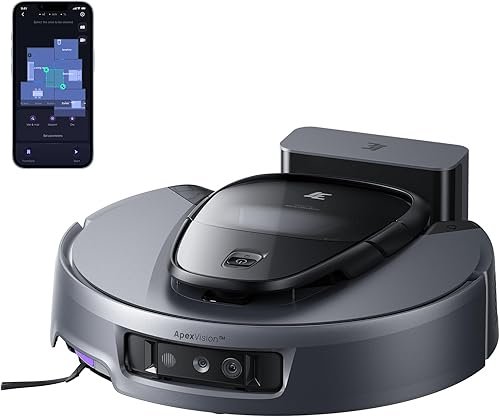
After months of rigorous testing, I'm convinced that robot vacuums have reached the point where they're legitimate replacements for traditional vacuuming in most homes. The technology has matured beyond the novelty phase into genuinely useful cleaning tools that save significant time and effort.
For most users seeking the best overall performance, the iRobot Roomba 105 Vac remains my top recommendation. Its combination of proven reliability, exceptional suction power, and advanced navigation justifies the premium pricing for households prioritizing thorough cleaning results. The brand's extensive support network and parts availability provide peace of mind for long-term ownership.
Budget-conscious buyers shouldn't overlook the Mova Z60 Ultra Roller, which delivers premium features at a fraction of typical costs. Its impressive suction power and obstacle-crossing capabilities make it particularly valuable for complex home layouts. While the brand is newer, the engineering quality evident in my testing suggests they're serious competitors in the premium segment.
For users prioritizing convenience above all else, the 3i G10+ delivers on its promise of truly hands-free operation. The 60-day automation capability transforms robot vacuum ownership from a daily interaction to a monthly maintenance task, perfect for busy households or frequent travelers.
Ultimately, any of these models will significantly improve your daily cleaning routine while freeing up time for more important activities. The key is matching features to your specific needs and home layout rather than simply choosing the most expensive option. Robot vacuums have evolved from luxury gadgets to practical necessities, and 2024's models prove that automated cleaning is finally ready for mainstream adoption.
Make Your Home Smarter
Device reviews, automations, and the deals worth grabbing.

