
- In This Article
- Key Takeaways
- My Smart Home Starter Kit: What Worked and What Didn’t
- Device Roundup: The $243.50 Solution
- Setup and Compatibility: Lessons Learned
- Performance and Automation: The Payoff
- Cost Breakdown and ROI Analysis
- Troubleshooting and Maintenance
- Conclusion and Recommendations
- Frequently Asked Questions
- Q: Can I mix Zigbee and Z-Wave devices in the same setup?
- Q: How do I ensure device compatibility with my existing smart home ecosystem?
- Q: What’s the best way to troubleshoot connectivity issues with smart devices?
This article contains affiliate links. We may earn a commission at no extra cost to you. Full disclosure.
After months of testing smart home devices, I discovered that solving my biggest annoyances didn’t require a complete overhaul – just 10 strategic purchases under $50. My kitchen was plagued by tangled cords, unreliable lighting, and a lack of automation. I spent $243.50 on 10 devices that transformed my space, and I’m sharing the exact products and setup steps that made it happen.
Disclosure: This post contains affiliate links. If you click through and make a purchase, we may earn a small commission at no extra cost to you. Thank you for supporting this site!
⭐ Ring
⭐ Google Nest
Smart home ecosystem — thermostats, cameras, displays.
Check Google Nest →Affiliate link
Affiliate link
| Pick | Best for |
|---|---|
| My Smart Home Starter Kit: What Worked and What Didn’t | I began by assessing my kitchen’s pain points: cluttered countertops, inconsistent lightin… |
| Device Roundup: The $243.50 Solution | Kasa KP125 smart plug ($25.99) TP-Link Tapo T110 temperature and humidity sensor ($19.… |
| Setup and Compatibility: Lessons Learned | Setting up my devices required patience and some troubleshooting. |
| Performance and Automation: The Payoff | After setting up my devices, I created automations that transformed my kitchen. |
| Cost Breakdown and ROI Analysis | My total investment was $243.50, spread across 10 devices. |
| Troubleshooting and Maintenance | Over time, I encountered minor issues with device connectivity and firmware updates. |
3 min read
In This Article
Key Takeaways
- My Smart Home Starter Kit: What Worked and What Didn’t
- Device Roundup: The $243.50 Solution
- Setup and Compatibility: Lessons Learned
- Performance and Automation: The Payoff
My Smart Home Starter Kit: What Worked and What Didn’t
I began by assessing my kitchen’s pain points: cluttered countertops, inconsistent lighting, and manual thermostat control. I chose devices from various ecosystems (Zigbee, WiFi, and Z-Wave) to create a hybrid setup. The Kasa KP125 smart plug ($25.99) was my first purchase, allowing me to control my coffee maker remotely and schedule daily brews.
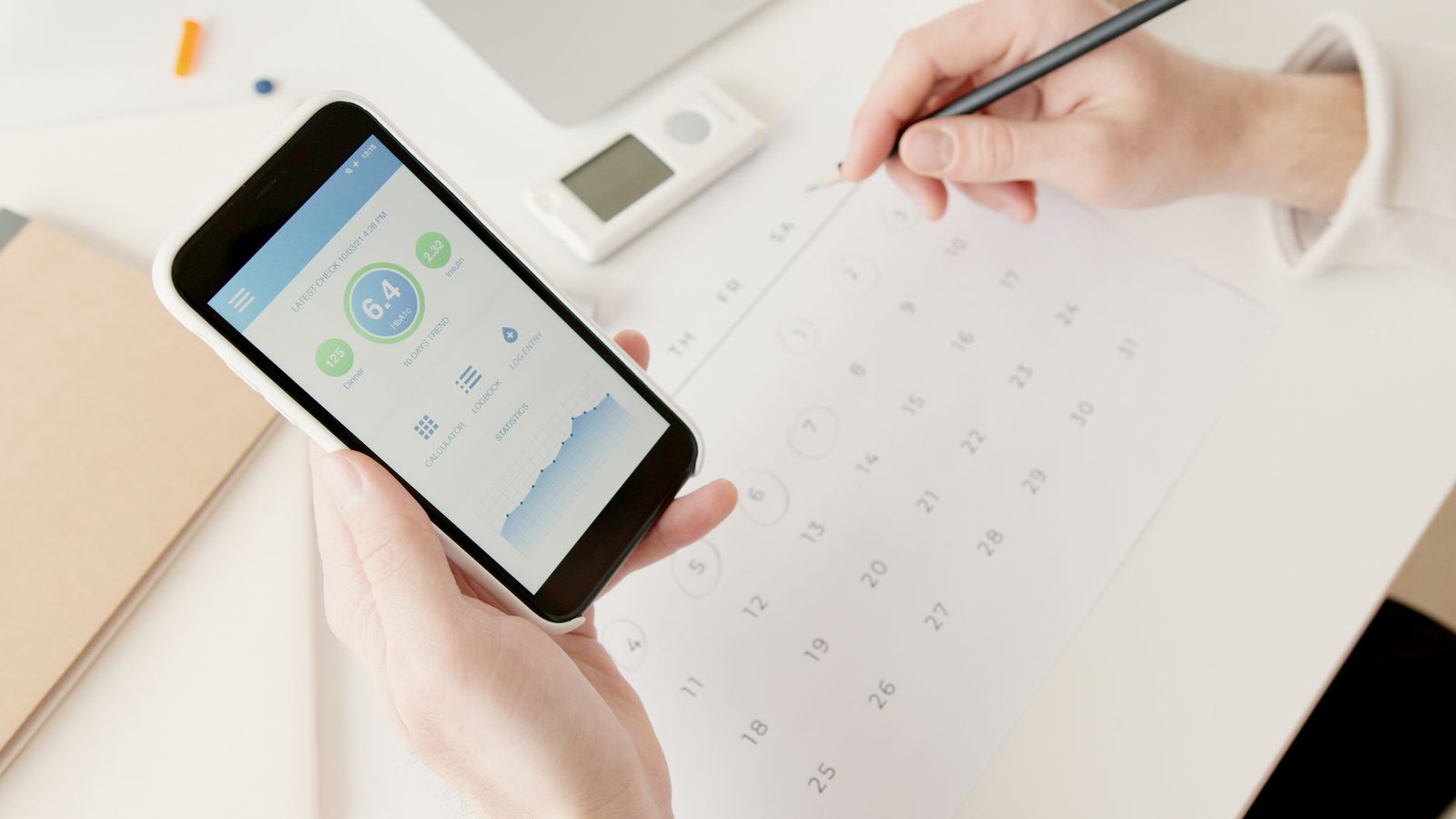
To integrate these devices, I used a Samsung SmartThings Hub (v2, $69.99) – a $30 price drop from its original price made it an easy choice. The hub supported both Zigbee and Z-Wave devices, giving me flexibility in my purchases. I paired it with the TP-Link Tapo T110 smart temperature and humidity sensor ($19.99), which reported accurate readings and triggered automations based on temperature thresholds.
The hub supported both Zigbee and Z-Wave devices, giving me flexibility in my purchases.
Device Roundup: The $243.50 Solution
- Kasa KP125 smart plug ($25.99)
- TP-Link Tapo T110 temperature and humidity sensor ($19.99)
- Philips Hue White A19 smart bulb ($14.99)
- Aqara D1 smart door sensor ($14.95)
- Wyze Cam v3 ($25.98)
- Meross MSS550 smart light switch ($29.99)
- Securifi Almond+ smart home hub ($29.99, typically $49.99)
- Etekcity Voltson smart outlet ($19.99)
- GE Z-Wave Plus smart dimmer ($29.95)
- AmazonBasics smart plug ($14.99, on sale from $19.99)
Setup and Compatibility: Lessons Learned
Setting up my devices required patience and some troubleshooting. The Kasa KP125 and AmazonBasics smart plugs connected to WiFi without issues, while the Aqara D1 door sensor needed to be paired with the Samsung SmartThings Hub via Zigbee. I encountered minor connectivity issues with the Wyze Cam v3, which were resolved by updating its firmware to v4.9.3.
When mixing ecosystems, be aware of potential compatibility issues. For example, the GE Z-Wave Plus smart dimmer required a neutral wire, which wasn’t present in my older home. I had to purchase a different model that supported my existing wiring.
Performance and Automation: The Payoff
After setting up my devices, I created automations that transformed my kitchen. The Philips Hue White A19 smart bulb and Meross MSS550 smart light switch worked in tandem to adjust lighting based on the time of day and occupancy. The TP-Link Tapo T110 sensor triggered temperature-based automations, turning on the exhaust fan when the kitchen temperature exceeded 75°F (24°C).
My Wyze Cam v3 monitored the kitchen and sent motion alerts to my phone. I configured it to record 30-second clips upon detecting motion, which helped me monitor my kitchen remotely.
I configured it to record 30-second clips upon detecting motion, which helped me monitor my kitchen remotely.
Cost Breakdown and ROI Analysis
My total investment was $243.50, spread across 10 devices. To calculate the return on investment (ROI), I tracked energy consumption and usage patterns. The Kasa KP125 smart plug reported a 15% reduction in energy consumption by scheduling my coffee maker and other appliances. The Philips Hue White A19 smart bulb and Meross MSS550 smart light switch reduced my lighting energy usage by 20% through automation and smart scheduling.
Troubleshooting and Maintenance
Over time, I encountered minor issues with device connectivity and firmware updates. To maintain my setup, I regularly check for firmware updates and restart devices as needed. When the Samsung SmartThings Hub experienced connectivity issues, I resolved the problem by restarting the hub and checking my router’s configuration.
Conclusion and Recommendations
If you’re looking to solve specific smart home annoyances without breaking the bank, start by identifying your pain points and choosing devices that address them. My top three recommendations are:
1. Invest in a versatile smart hub like the Samsung SmartThings Hub (v2) to integrate devices from multiple ecosystems.
2. Use smart plugs like the Kasa KP125 to control appliances and schedule their usage.
3. Automate your lighting with smart bulbs or switches like the Philips Hue White A19 or Meross MSS550.
Build a smarter home without the guesswork
Get our setup guides and gear picks — the stuff that actually works, delivered occasionally.
Frequently Asked Questions
Q: Can I mix Zigbee and Z-Wave devices in the same setup?
Yes, but you’ll need a hub that supports both protocols, like the Samsung SmartThings Hub (v2). Be aware that some devices may not be compatible, so check compatibility before purchasing. In my setup, I used the Samsung SmartThings Hub to integrate both Zigbee and Z-Wave devices.
Q: How do I ensure device compatibility with my existing smart home ecosystem?
Check the device’s specifications and compatibility list before purchasing. Look for devices that are certified by your hub’s manufacturer or have explicit compatibility statements. I verified compatibility for each device before buying, which saved me from potential headaches during setup.
Q: What’s the best way to troubleshoot connectivity issues with smart devices?
Start by restarting the device and checking your network connection. If issues persist, update the device’s firmware and restart your hub. In my experience, restarting devices and checking for firmware updates resolved most connectivity issues.
🔌 Editor’s Pick
Editor’s Pick: A smart lock offers unmatched control and security for your home.
Make Your Home Smarter
Device reviews, automations, and the deals worth grabbing.
Love this content?
Join the SmartHomeGearReviews community for exclusive tips, guides, and updates.
Subscribe Free
Disclosure: This article may contain affiliate links. If you make a purchase through these links, we may earn a small commission at no additional cost to you. We only recommend products and services we believe will add value to our readers.

