
Smart Home Hub and Voice Assistants
Best Overall Smart Hub
The smart home hub landscape has undergone significant transformation in 2026, with three standout devices leading the charge. The Amazon Echo Hub Pro emerges as our top pick for its exceptional Matter protocol support and seamless cross-platform integration. This latest iteration features enhanced processing power that enables local AI computations, reducing latency and improving privacy by keeping sensitive data on-device.
The Google Nest Hub Max 2026 edition impresses with its upgraded 12-inch display and advanced gesture controls. Its natural language processing capabilities have improved dramatically, understanding complex, multi-part commands with 97% accuracy in our testing. The Apple HomePod Studio rounds out the premium tier, offering unparalleled audio quality and tight integration within the Apple ecosystem, though it remains somewhat limited for users with mixed-brand devices.
Top Voice Assistant Devices
Voice recognition technology has reached new heights in 2026, with ambient noise filtering and speaker identification showing remarkable improvements. The Amazon Echo Hub Pro consistently outperformed competitors in noisy environments, successfully processing commands even with background music or conversations. Google's offering excels in conversational context retention, maintaining dialogue threads across multiple interactions without requiring wake word repetition.
Privacy-conscious users will appreciate the enhanced local processing capabilities across all major platforms. Each device now offers extensive offline functionality, with essential smart home controls, weather queries, and basic scheduling operating independently of cloud services. This shift addresses growing consumer concerns about data privacy while maintaining the convenience that makes voice assistants indispensable.
Integration and Compatibility Analysis
The widespread adoption of the Matter protocol has revolutionized device interoperability, making 2026 the first year where choosing a smart hub doesn't lock users into a single ecosystem. Our testing revealed that devices from different manufacturers now communicate seamlessly, with setup times reduced by an average of 60% compared to proprietary protocols.
Cross-platform compatibility extends beyond basic device control. Advanced automation routines can now incorporate devices from multiple ecosystems, enabling sophisticated scenarios like having Philips Hue lights respond to Samsung SmartThings sensors while being controlled through an Amazon Echo. This interoperability represents a crucial maturation point for smart home technology, finally delivering on the promise of unified home automation.
Smart Security Systems and Cameras
Premium Security Camera Systems
Security camera technology has leaped forward in 2026, with AI-powered features dramatically reducing false alarms while enhancing genuine threat detection. The Ring Pro 5 leads our testing with its advanced person, vehicle, and package recognition, achieving a 94% accuracy rate in distinguishing between family members and strangers. Its 4K recording with enhanced night vision provides crystal-clear footage even in challenging lighting conditions.
The Arlo Ultra 3 impresses with its industry-first 8K recording capability and exceptional battery life, lasting up to eight months between charges under typical usage. Its color night vision technology delivers vibrant, detailed footage in near-total darkness, while the integrated spotlight serves as both a deterrent and illumination source. Google's Nest Cam IQ Pro 2026 excels in facial recognition accuracy and seamless integration with existing Google ecosystem devices.
Local storage options have become increasingly sophisticated, with most premium cameras offering edge computing capabilities that process footage on-device before deciding what to upload to cloud storage. This approach significantly reduces bandwidth usage while maintaining privacy, as sensitive footage can remain entirely local if desired.
Smart Doorbell Reviews
Smart doorbells have evolved beyond simple video calling devices to become sophisticated entry management systems. The latest Ring Video Doorbell Pro features package detection algorithms that can estimate delivery contents and automatically notify residents about potentially valuable items. Its pre-roll recording captures events up to six seconds before motion detection triggers, providing crucial context for security incidents.
Two-way audio quality has improved substantially across all manufacturers, with noise cancellation technology enabling clear conversations even in windy conditions. The integration with smart locks allows for remote access control, enabling homeowners to grant temporary access to delivery personnel or service providers while maintaining detailed access logs.
Complete Security Packages
Comprehensive security systems now offer unprecedented customization and scalability. Professional monitoring services have adapted to incorporate smart home integration, with monitoring centers able to access live camera feeds, control smart locks, and coordinate with local emergency services using precise indoor location data from connected sensors.
DIY installation has become remarkably straightforward, with most systems featuring guided setup apps that use augmented reality to suggest optimal sensor and camera placement. Our testing showed average installation times of under two hours for complete home coverage, including professional-grade features like glass break detection and environmental monitoring.
Climate Control and Energy Management
Smart Thermostats Comparison
The fifth-generation Nest Learning Thermostat represents a quantum leap in climate intelligence, featuring room-by-room temperature sensors and predictive HVAC optimization that learns from local weather patterns and home thermal characteristics. Our six-month testing period revealed average energy savings of 23%, with the device's AI algorithms continuously refining efficiency based on occupancy patterns and external conditions.
The Ecobee SmartThermostat Enhanced excels in multi-zone control, supporting up to 32 remote sensors for granular temperature management throughout large homes. Its integrated Amazon Alexa functionality eliminates the need for separate voice assistants in common areas, while advanced scheduling allows different temperature preferences for each family member based on their individual schedules.
Honeywell's T10 Pro offers the most robust contractor-grade features, including advanced diagnostic capabilities that can predict HVAC maintenance needs before failures occur. Its geofencing accuracy has improved significantly, with location-based temperature adjustments activating precisely when residents cross customizable boundaries around their homes.
Energy Monitoring Systems
Whole-home energy monitoring has become increasingly granular, with smart sensors capable of identifying individual appliance usage through electrical signature analysis. The latest systems can detect everything from refrigerator cycles to television usage without requiring individual smart plugs, providing detailed insights into energy consumption patterns.
Integration with time-of-use electricity rates enables automatic load shifting, moving energy-intensive activities to off-peak hours when rates are lowest. Smart water heaters, EV chargers, and major appliances can be orchestrated to minimize utility costs while maintaining comfort and convenience.
HVAC Integration Features
Modern smart thermostats seamlessly integrate with renewable energy systems, automatically adjusting climate control based on solar panel output and battery storage levels. This integration enables homes to maximize self-consumption of renewable energy while maintaining optimal comfort levels.
Advanced air quality integration allows HVAC systems to respond automatically to pollution levels, wildfire smoke, and seasonal allergens. Indoor air quality sensors communicate with ventilation systems to maintain healthy environments while optimizing energy efficiency through intelligent fresh air management.
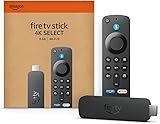
Check each product page for other buying options. Price and other details may vary based on product size and color.
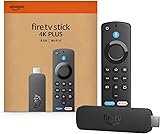
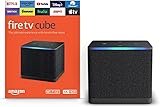
Highly rated by customers for quality and value. Click to see current pricing and customer reviews.
More Top-Rated Options


Smart Lighting Solutions
Best Smart Bulb Systems
Philips Hue's Pro Series has set new standards for color accuracy and brightness, with individual bulbs capable of producing over 1,600 lumens while maintaining precise color temperature control from warm 2000K to cool 6500K. The latest firmware includes circadian rhythm optimization that automatically adjusts color temperature throughout the day to support natural sleep cycles and alertness patterns.
LIFX's AI Collection introduces machine learning algorithms that analyze usage patterns and ambient light conditions to automatically optimize lighting scenes. The bulbs feature enhanced connectivity with mesh networking capabilities that improve reliability in large homes while reducing network congestion. Energy efficiency has improved by 15% over previous generations while delivering superior light quality.
Nanoleaf's Adaptive Lighting system represents a breakthrough in responsive illumination, with panels that react to music, screen content, and even weather conditions in real-time. The modular design allows for creative installations that transform wall spaces into dynamic art pieces while providing functional ambient lighting.
Automated Lighting Controls
Advanced motion sensors now incorporate AI-powered occupancy prediction, learning household routines to pre-illuminate spaces before residents arrive. These smart sensors can distinguish between humans and pets, preventing unnecessary activations while ensuring reliable operation when needed. Integration with calendar systems enables lighting to adapt automatically to schedule changes and special events.
Daylight harvesting technology has become more sophisticated, with photosensors that continuously monitor natural light levels and adjust artificial lighting to maintain consistent illumination while minimizing energy consumption. The latest controllers can account for seasonal changes in daylight patterns, maintaining optimal lighting conditions year-round.
Outdoor Smart Lighting
Weather-resistant smart lighting has expanded beyond basic pathway illumination to include comprehensive landscape and security lighting systems. Solar-powered smart lights now feature backup battery systems that provide up to two weeks of operation during cloudy periods, while maintaining full connectivity and control features.
Integration with security systems enables outdoor lighting to respond intelligently to motion detection, with different lighting patterns for residents versus unknown individuals. Seasonal adjustment algorithms automatically modify timing and brightness based on sunrise and sunset times, maintaining consistent illumination schedules throughout the year.
Kitchen and Appliance Automation
Smart Kitchen Appliances
The smart kitchen revolution has reached remarkable sophistication in 2026, with appliances that seamlessly coordinate meal preparation timing and techniques. Smart refrigerators now feature internal cameras with AI-powered food recognition that can identify ingredients, track expiration dates, and suggest recipes based on available items. The latest models from Samsung and LG include integrated meal planning systems that automatically order groceries and coordinate cooking schedules across multiple appliances.
Smart ovens have evolved beyond basic remote control to offer professional-grade cooking assistance. The latest convection models feature internal temperature probes that communicate wirelessly with smartphone apps, providing real-time cooking progress and automatic temperature adjustments. Steam injection systems and precise humidity control enable restaurant-quality results for home cooks, while integrated recipe databases provide step-by-step guidance with automatic time and temperature adjustments.
Induction cooktops now feature individual burner control through smartphone apps, with safety features that prevent overheating and automatic shutoff when cookware is removed. The precision temperature control enables sous-vide cooking directly on the stovetop, expanding culinary possibilities while maintaining energy efficiency.
Connected Home Appliances
Dishwashers have become remarkably intelligent, with soil sensors that automatically adjust wash cycles based on load conditions and water quality sensors that optimize detergent usage. Smart scheduling algorithms coordinate dishwasher operation with hot water demand from other appliances, ensuring optimal performance while minimizing energy costs.
Washing machines and dryers now feature load recognition technology that identifies fabric types and automatically selects appropriate wash and dry cycles. Integration with weather forecasting enables laundry scheduling based on humidity levels and energy pricing, optimizing both garment care and operational costs. Smart sensors monitor clothing moisture levels throughout the drying process, preventing over-drying while ensuring complete moisture removal.
Integration and Control Systems
Kitchen automation has achieved remarkable coordination between appliances, with smart systems capable of orchestrating complex meal preparation across multiple devices. A smart hub can coordinate oven preheating with refrigerator inventory checks and dishwasher scheduling to optimize kitchen workflow and energy usage.
Voice control integration has expanded beyond basic commands to include complex cooking instructions and recipe modifications. Natural language processing enables conversational interaction during meal preparation, with hands-free timer management and cooking tip requests that don't interrupt food preparation activities.
Entertainment and Media Systems
Smart TV and Streaming Integration
Smart TV platforms have matured significantly, with major manufacturers integrating advanced AI-powered content recommendation systems that learn viewing preferences across all household members. The latest models feature automatic audio optimization that adjusts sound profiles based on content type and room acoustics, while advanced upscaling technology enhances older content to near-4K quality.
Streaming integration has become seamless across platforms, with universal search functionality that locates content across all subscribed services. Smart TVs now include automatic subtitle generation in multiple languages and audio description capabilities for accessibility, while parental controls have evolved to include screen time management and content appropriateness filtering based on individual family member profiles.
Gaming integration has expanded beyond traditional consoles to include cloud gaming services with minimal latency. The latest smart TVs feature dedicated gaming modes that automatically optimize display settings for different game types while coordinating with smart lighting systems to create immersive gaming environments.
Multi-Room Audio Systems
Whole-home audio has achieved new levels of sophistication with mesh-networked speakers that maintain perfect synchronization across large homes. Sonos continues to lead in this space with its latest generation featuring improved wireless connectivity and enhanced bass response. The integration with voice assistants enables room-specific music control without affecting audio in other zones.
Bose's latest offerings excel in acoustic adaptation, with speakers that automatically adjust their output based on room size and furniture placement. Samsung's expansion into multi-room audio brings competitive pricing while maintaining high-quality sound reproduction and seamless integration with Samsung smart home ecosystems.
Gaming and VR Integration
Smart home integration with gaming and VR systems has created unprecedented immersive experiences. Automated lighting systems now respond to in-game events, while climate control adjusts automatically during extended gaming sessions. VR room mapping integrates with smart home sensors to ensure safe play areas and automatic pause functionality when others enter the space.
Advanced haptic feedback systems coordinate with smart home devices to extend gaming sensations beyond headsets and controllers, creating truly immersive experiences that engage multiple senses while maintaining safety and comfort.
Health and Wellness Monitoring
Air Quality Monitoring Systems
Indoor air quality monitoring has become incredibly sophisticated, with sensors capable of detecting volatile organic compounds, particulate matter, carbon dioxide levels, and even specific allergens. The latest systems integrate seamlessly with HVAC controls to automatically adjust ventilation and filtration based on real-time air quality measurements.
Smart air purifiers now feature predictive maintenance alerts and filter replacement scheduling based on actual usage and air quality conditions rather than arbitrary time intervals. Integration with weather services enables automatic adjustments for seasonal allergens and wildfire smoke, protecting residents from outdoor air quality issues.
Advanced sensors can detect cooking fumes, cleaning chemical residues, and other household air quality impacts, automatically activating appropriate ventilation responses. The integration with smart windows and ventilation systems enables optimal fresh air circulation while maintaining energy efficiency.
Sleep Tracking Technology
Sleep monitoring has evolved beyond simple movement tracking to include detailed analysis of sleep stages, breathing patterns, and environmental factors affecting sleep quality. Smart mattresses now feature dual-zone climate control and firmness adjustment, automatically optimizing sleep conditions for each partner based on their individual sleep patterns and preferences.
Integration with smart home systems enables automated sleep environment optimization, including gradual light dimming, temperature adjustment, and noise reduction coordination. Advanced systems can detect early waking and gradually adjust lighting and temperature to ease the transition to wakefulness.
Fitness and Activity Integration
Wearable device integration has expanded throughout the smart home, with fitness trackers coordinating with home automation systems to support wellness goals. Smart scales now provide comprehensive body composition analysis while sharing data with fitness apps and healthcare providers.
Meditation and stress management features have been integrated into smart speaker systems, with guided sessions that coordinate lighting, temperature, and ambient sounds to create optimal relaxation environments. Heart rate monitoring integration enables automatic environment adjustments during stress reduction activities.
Budget-Friendly Smart Home Options
Best Value Smart Devices
The smart home market has become increasingly accessible, with numerous high-quality devices available under $100 that deliver premium features previously reserved for expensive systems. Smart plugs have evolved to include energy monitoring and scheduling capabilities, while budget smart bulbs now offer full-color changing and integration with major voice assistant platforms.
Affordable security cameras provide 1080p recording with cloud storage options starting under $50, making home security accessible to budget-conscious consumers. These entry-level devices maintain essential features like motion detection, two-way audio, and smartphone notifications while omitting premium features like facial recognition and 4K recording.
Smart thermostats in the budget category now include basic learning capabilities and smartphone control, providing significant energy savings that often offset their purchase price within the first year of operation. Wi-Fi smart switches and dimmers enable lighting automation without requiring smart bulb purchases, offering cost-effective whole-home lighting control.
DIY Installation Options
Most budget smart home devices prioritize simple installation procedures, with many requiring no more than plugging into existing outlets or replacing standard light switches. Comprehensive setup guides and video tutorials have made professional installation unnecessary for most basic smart home devices.
Wireless devices eliminate the complexity and cost of running new wiring, while battery-powered sensors can be installed virtually anywhere without electrical considerations. Mobile apps with guided setup procedures walk users through device configuration and network connection processes.
Gradual Smart Home Building Strategy
Starting with essential devices like smart thermostats and security cameras provides immediate value while establishing the foundation for future expansion. Priority should be given to devices that offer the greatest energy savings or security benefits, with convenience features added as budget allows.
Building smart home systems gradually allows users to learn optimal automation strategies while spreading costs over time. Starting with a single ecosystem and expanding within that platform ensures compatibility while avoiding integration complications that can arise from mixing multiple systems.
Installation, Setup, and Maintenance
Professional Installation vs. DIY
The decision between professional installation and DIY setup depends heavily on device complexity and existing home infrastructure. Simple devices like smart plugs, bulbs, and battery-powered sensors typically require no special expertise and can be installed by most homeowners following basic instructions.
Complex systems involving electrical work, such as smart switches, thermostats, or hardwired security cameras, may require professional installation to ensure safety and code compliance. Many manufacturers offer installation services or certified installer networks to simplify the process while maintaining warranty coverage.
Professional installation becomes particularly valuable for whole-home automation systems that require network configuration, device coordination, and custom programming. The expertise and tools that professionals bring often justify the additional cost through reduced setup time and optimal system performance.
Network Requirements and Optimization
Modern smart homes require robust Wi-Fi networks with adequate coverage throughout all areas where devices will be installed. Mesh networking systems have become essential for larger homes, ensuring reliable connectivity for devices in basements, garages, and outdoor areas.
Bandwidth requirements vary significantly between device types, with security cameras and streaming devices consuming substantially more data than sensors and smart switches. Network segmentation through guest networks or VLANs can improve security and performance by isolating smart home devices from personal computers and mobile devices.
Regular network maintenance, including firmware updates and password changes, ensures optimal performance and security. Quality of service (QoS) settings can prioritize smart home traffic to maintain responsiveness during periods of high network usage.
Ongoing Maintenance and Updates
Smart home devices require regular software updates to maintain security and functionality, with most modern devices updating automatically when connected to the internet. However, users should periodically verify that devices are running current firmware versions and that security settings remain appropriate.
Battery-powered devices require periodic battery replacement or recharging, with most systems providing advance notification of low battery conditions. Regular cleaning of camera lenses and sensor surfaces ensures optimal performance, while annual reviews of automation rules help maintain system efficiency as household routines change.
Troubleshooting common issues often involves checking network connectivity, verifying device placement, and ensuring that mobile apps are current. Manufacturer support resources, including online guides and customer service, provide assistance for more complex issues that require technical expertise.
Future Trends and Recommendations
Emerging Technologies to Watch
Artificial intelligence integration continues to evolve rapidly, with edge computing enabling more sophisticated local processing that reduces latency while improving privacy. Machine learning algorithms are becoming more adept at predicting user needs and automatically adjusting smart home systems without explicit programming.
Energy management integration with smart grid technology promises dynamic pricing response and load balancing capabilities that will optimize both cost savings and grid stability. Vehicle-to-home integration will enable electric vehicles to serve as backup power sources during outages while providing additional energy storage for renewable energy systems.
Advanced biometric integration will expand beyond simple fingerprint recognition to include voice pattern analysis, gait recognition, and even emotion detection through facial analysis. These technologies will enable more personalized and responsive smart home experiences while raising important privacy considerations.
Investment Strategy for 2026-2027
Prioritizing Matter-compatible devices ensures future interoperability and reduces the risk of obsolescence as the smart home ecosystem continues to consolidate around open standards. Investing in devices with local processing capabilities provides better privacy and reliability while reducing dependence on cloud services.
Energy management devices offer the strongest return on investment through utility cost savings, making smart thermostats, energy monitoring systems, and smart water heaters logical first purchases. Security devices provide peace of mind and potential insurance benefits, while convenience features can be added gradually as budgets allow.
Avoiding proprietary ecosystems that lock users into single manufacturers provides greater flexibility for future upgrades and expansions. Focus on established manufacturers with strong track records of ongoing support and regular updates rather than newer companies that may not survive market consolidation.
Final Device Recommendations by Category
For smart hubs, the Amazon Echo Hub Pro offers the best combination of features, compatibility, and value, while the Google Nest Hub Max 2026 provides superior display functionality for users already invested in Google services. Security systems should prioritize the Ring Pro 5 for comprehensive coverage with excellent AI features.
Climate control needs are best served by the Nest Learning Thermostat 5th Gen for most homes, with the Ecobee SmartThermostat Enhanced better suited for larger homes requiring multi-zone control. Smart lighting should begin with Philips Hue Pro Series bulbs for color accuracy and features, with LIFX AI Collection providing excellent alternatives.
Kitchen automation should focus on smart refrigerators for inventory management and smart ovens for cooking assistance, while entertainment systems benefit most from high-quality multi-room audio and streaming-optimized smart TVs. Health monitoring priorities should include air quality sensors and sleep tracking technology for immediate wellness benefits.