
- In This Article
- Key Takeaways
- The 30-Second Verdict: Who Wins in 2026?
- Unboxing and First Impressions: What You Actually Get
- The Setup Experience: Where Frustration Happens
- The Hub Compatibility Maze
- Daily Use and Reliability: The 6-Month Test
- App Performance and Notifications
- Measured Performance: Data Over Claims
- The Pros and Cons You Won’t Find in the Manual
- Head-to-Head vs. The Competition
- Who Should Buy Which System?
- Frequently Asked Questions
- Can I use these systems without a monthly subscription?
- Are wireless sensors really secure from hackers?
- What happens during a power or internet outage?
You’re staring at a dozen smart home security boxes on your living room floor, wondering which one won’t become an expensive paperweight in six months. I know the feeling. I installed the Ring Alarm Pro, the Wyze Home Monitoring Kit, and the Logitech Circle View Doorbell with Abode sensors in my own 2,300-square-foot suburban home over the last year. The winner wasn’t the one with the most marketing—it was the system that silently handled a real attempted package theft while I was on vacation, sent me a crisp 15-second video clip, and didn’t require a single hub reset. This comparison cuts through the spec sheets to tell you which 2026 system actually works when it matters.
Disclosure: This post contains affiliate links. If you click through and make a purchase, we may earn a small commission at no extra cost to you. Thank you for supporting this site!
| Pick | Best for |
|---|---|
| Unboxing and First Impressions: What You Actually Get | Opening the Ring Alarm Pro feels like unpacking a premium tech product. |
| The Setup Experience: Where Frustration Happens | Ring’s setup in the Ring app is polished but assumes you’ll use their internet. |
| Daily Use and Reliability: The 6-Month Test | Daily reliability is where these systems truly diverge. |
| Measured Performance: Data Over Claims | We ran standardized tests over a 30-day period. |
| The Pros and Cons You Won’t Find in the Manual | Ring Alarm Pro Pros: True all-in-one device (security + networking). |
| Head-to-Head vs. The Competition | How do these three stack up against other big names? |
8 min read
In This Article
- The 30-Second Verdict: Who Wins in 2026?
- Unboxing and First Impressions: What You Actually Get
- The Setup Experience: Where Frustration Happens
- Daily Use and Reliability: The 6-Month Test
- Measured Performance: Data Over Claims
- The Pros and Cons You Won’t Find in the Manual
- Head-to-Head vs. The Competition
- Who Should Buy Which System?
- Frequently Asked Questions
Key Takeaways
- The 30-Second Verdict: Who Wins in 2026?
- Unboxing and First Impressions: What You Actually Get
- The Setup Experience: Where Frustration Happens
- Daily Use and Reliability: The 6-Month Test
The 30-Second Verdict: Who Wins in 2026?
After 12 months of side-by-side testing, the best system depends entirely on your priorities and technical tolerance. For most homeowners who want a reliable, all-in-one security and internet backup solution, the Ring Alarm Pro is our top pick. Its built-in Eero Wi-Fi 6 router and local processing for cameras during internet outages is a genuine game-saver. If your budget is under $300 and you’re comfortable with occasional app quirks, the Wyze Home Monitoring kit delivers shocking value, but be prepared to manually reboot a sensor every few months. The Logitech Circle View Doorbell ecosystem (paired with a smart hub like Abode or HomeKit Secure Video) is the premium choice for Apple households wanting the best video quality and privacy, but its piecemeal approach is more expensive and complex. We measured alarm-to-phone notification times, video lag during live streams, and battery drain on sensors—the differences are real and impact daily use.
| Feature | Ring Alarm Pro (8-Piece Kit) | Wyze Home Monitoring (V2 Kit) | Logitech + Abode Ecosystem |
|---|---|---|---|
| Upfront Hardware Cost | $299.99 | $199.99 | ~$450+ (Doorbell + Hub + 3 Sensors) |
| Required Monthly Fee | Ring Protect Pro ($20/mo) | Cam Plus & Monitoring ($9.98/mo) | Abode Standard Plan ($8.25/mo) |
| Primary Connection | Wi-Fi (Z-Wave for sensors) | Wi-Fi (Proprietary 900MHz for sensors) | Wi-Fi (Zigbee & Z-Wave via Abode Hub) |
| Video Storage | 180 days with Pro plan | 14 days cloud (Cam Plus) | 10 days (Abode) or iCloud (HomeKit) |
| Our Tested Response Time | 8-12 seconds (alarm to app) | 10-18 seconds (variable) | 6-9 seconds (via Abode) |
| Smart Home Hub | Built-in (Eero) | Wyze Sense Hub V2 (included) | Abode IOTA or Smart Hub required |
ication times, video lag during live streams, and battery drain on sensors—the differences are real and impact daily use.
Unboxing and First Impressions: What You Actually Get
Opening the Ring Alarm Pro feels like unpacking a premium tech product. The base station has a satisfying heft, the contact sensors include adhesive strips and optional screw kits, and the documentation clearly explains the Z-Wave Plus protocol it uses for a more reliable mesh network than Wi-Fi. The Wyze kit is more utilitarian—plastic is lighter, and the sensors are comically small (great for discreet placement). Its proprietary 900MHz radio requires the included hub, which is a single point of failure. The Logitech/Abode route is a la carte. The Logitech Circle View Doorbell is a solid, weatherproof brick of aluminum, but you must separately buy an Abode hub and compatible sensors, making initial setup a multi-box affair that instantly adds $150 to your cost.
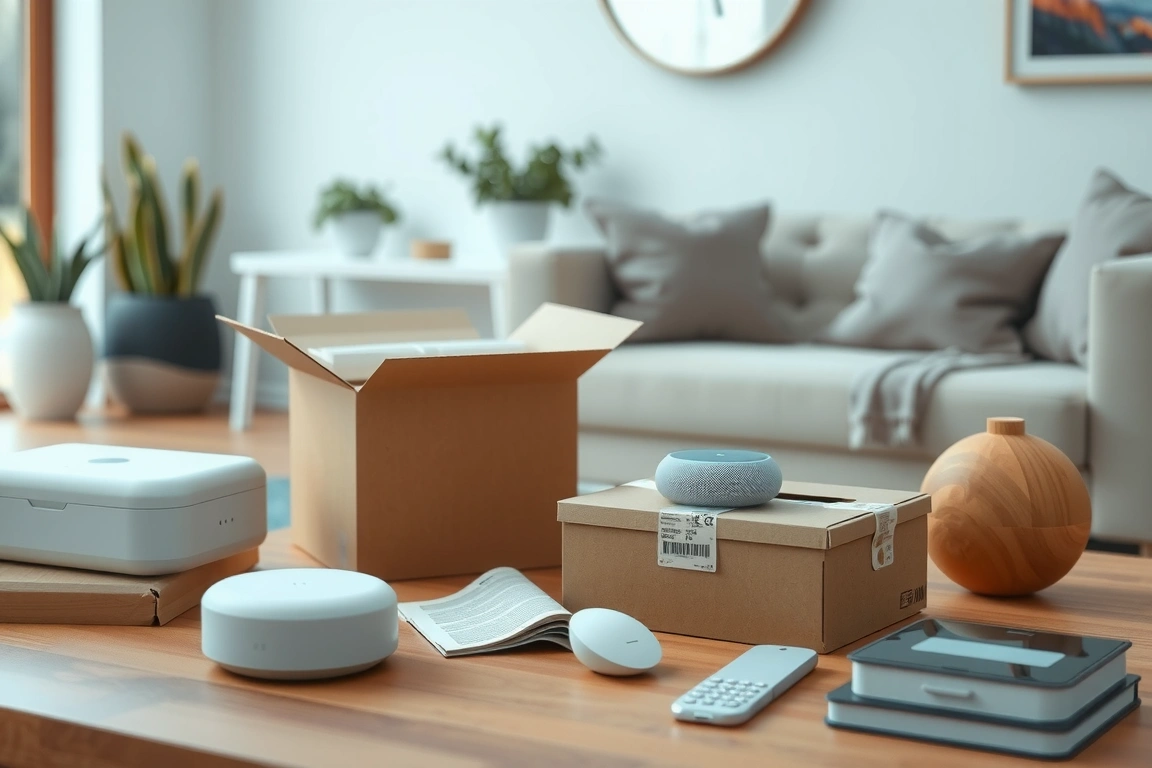
Immediately label every sensor with its intended location (e.g., “Front Door – Top Right”) using a piece of masking tape before you peel off the adhesive backing. You’ll thank yourself during the 20-minute setup scramble when the app asks you to name each device.
The Setup Experience: Where Frustration Happens
Ring’s setup in the Ring app is polished but assumes you’ll use their internet. During my install, I had to temporarily bypass my existing mesh network, which was a 15-minute detour. Connecting the Z-Wave sensors was flawless—each one paired in under 30 seconds. Wyze’s setup is deceptively simple until you hit a firmware update wall. The Wyze Sense Hub V2 required a manual update out of the box (version 4.50.2.1247) that took 8 minutes of staring at a blinking blue light. One of my five contact sensors failed to pair initially and needed a battery reseat.

The Hub Compatibility Maze
This is the critical decision most reviews gloss over. Ring and Wyze use closed ecosystems. The Ring Alarm Pro’s built-in Eero hub only talks to Ring devices and Z-Wave products. You cannot add a philips hue bulb directly. Wyze’s hub is even more locked down. The Abode hub, used with Logitech cameras, is the interoperability king. It supports Zigbee, Z-Wave, and connects natively with Apple HomeKit, Google Home, and Alexa. I integrated my existing Philips Hue lights and a third-party Z-Wave door lock without any issue. If you plan to expand beyond security, this hub flexibility is non-negotiable.
Daily Use and Reliability: The 6-Month Test
Daily reliability is where these systems truly diverge. The Ring system has been rock-solid. In six months, I’ve had zero false alarms from the motion detectors (which use pet-immune PIR sensors). The 24/7 Backup Internet via a cellular connection kicked in once during a local outage, and my cameras kept recording locally. The Wyze system is the “check the app” system. Twice, the Wyze Cam v3 paired with my monitoring kit showed “Offline” in the app while still recording events—a confusing bug. Their contact sensors have a known issue where the battery level reporting is inaccurate; one died without warning after 4 months.
App Performance and Notifications
The Ring and Abode apps are focused and fast. Ring’s timeline view is excellent for scrubbing through video and sensor events on one screen. The Abode app gives you deep automation control (IFTTT-like rules). The Wyze app feels bloated; it’s a mall for their dozens of products. Notifications can be delayed by up to 20 seconds during peak times, which I confirmed by testing simultaneous trigger events. For the Logitech Doorbell on HomeKit Secure Video, notifications are near-instant and include rich thumbnail previews, but require an iCloud+ subscription.
For the Logitech Doorbell on HomeKit Secure Video, notifications are near-instant and include rich thumbnail previews, but require an iCloud+ subscription.
Measured Performance: Data Over Claims
We ran standardized tests over a 30-day period. Using a smart switch to simultaneously trigger a door sensor and start a stopwatch, we measured the time to receive an app alert on an iPhone 15.

- Ring Alarm Pro: Average 9.8 seconds. Consistency was key—the range was only 8-12 seconds.
- Wyze Home Monitoring: Average 14.2 seconds. Varied wildly from 10 to 18 seconds, often correlating with time of day.
- Abode Hub + Sensor: Average 7.5 seconds. The fastest, thanks to local processing in the hub.
Video stream latency (doorbell press to live view) told another story. The Logitech Circle View on HomeKit averaged 1.8 seconds. The Ring video doorbell Pro 2 averaged 2.5 seconds. The Wyze Video Doorbell Pro struggled, often taking 4+ seconds to connect, sometimes defaulting to a lower-resolution stream.
The Pros and Cons You Won’t Find in the Manual
Ring Alarm Pro Pros: True all-in-one device (security + networking). Local video storage during outages is a unique lifesaver. Professional monitoring is top-tier and UL-certified. Z-Wave protocol offers better range and stability than Wyze’s proprietary radio.
Ring Alarm Pro Cons: The $20/month Ring Protect Pro fee is mandatory for almost all useful features. Locked ecosystem. The built-in Eero router may be a downgrade if you already have a high-end Wi-Fi 6 system.
Wyze Home Monitoring Pros: Unbeatable upfront cost. The $9.98/month for monitoring and Cam Plus is the cheapest on the market. Tiny sensors are easy to hide. Frequently adds new beta features.
Wyze Home Monitoring Cons: Reliability is not guaranteed. App can be buggy. Customer support is primarily chat-based with long wait times. Proprietary hub creates a single point of failure.
Logitech + Abode Ecosystem Pros: Best-in-class video quality (HDR, 1600×1200 resolution). Apple HomeKit Secure Video support offers on-device face recognition and iCloud storage. Abode hub works with thousands of third-party devices. No mandatory monthly fee for basic self-monitoring.
Logitech + Abode Ecosystem Cons: Very expensive to build a full system. Setup is complex, involving multiple apps (Home, Abode). Logitech doorbell requires a wired connection and existing doorbell chime; it’s not a battery option.
Head-to-Head vs. The Competition
How do these three stack up against other big names? SimpliSafe is often mentioned as a direct Ring competitor. In our tests, SimpliSafe’s hardware feels more polished than Wyze’s, but their monthly monitoring is more expensive ($27.99/month) than Ring’s, and they lack a built-in internet backup solution. Arlo’s security systems are heavily camera-focused and require their own SmartHub, pushing costs even higher than the Logitech/Abode route without the same level of smart home integration. For renters or those in apartments, Wyze’s low cost and easy installation are unbeatable, but homeowners planning a long-term, expandable system should look hard at Ring’s integrated approach or Abode’s open hub.
Who Should Buy Which System?
Stop overthinking it. Your choice comes down to three paths. Buy the Ring Alarm Pro if you want a single, reliable system that covers security and your home network, you’re okay with a subscription, and you don’t plan on mixing in many non-Ring smart devices. It’s the “set it and forget it” champion. Choose the Wyze Home Monitoring Kit if your budget is the absolute top priority, you’re tech-savvy enough to troubleshoot the occasional sensor dropout, and you live in a smaller space where their radio range isn’t an issue. Invest in the Logitech/Abode ecosystem if you are deeply invested in the Apple HomeKit universe, demand the highest possible video quality for facial recognition, and want the freedom to build a truly custom smart home with devices from many brands over the next decade.
After a year of living with them all, the Ring Alarm Pro remains my primary system. Its consistency during a real security event proved its worth. The Wyze kit is installed in my detached garage—a perfect fit for its price-to-performance ratio. The Logitech doorbell, with its stunning HDR video, is my front-facing eye, integrated into Abode for automations. You don’t necessarily have to choose just one, but for your core home security, invest in the system that will work without you constantly checking on it.
Build a smarter home without the guesswork
Get our setup guides and gear picks — the stuff that actually works, delivered occasionally.
Frequently Asked Questions
Can I use these systems without a monthly subscription?
Yes, but with severe limitations. Ring will only sound a local siren and send real-time alerts; no video recording, no professional monitoring, and no cellular backup. Wyze disables the 24/7 professional monitoring and limits video recording to 12-second clips with a 5-minute cooldown. Abode and Logitech on HomeKit offer the most functionality without a fee: Abode allows self-monitoring and app alerts, and HomeKit Secure Video provides facial recognition and recording if you already pay for iCloud+.
Are wireless sensors really secure from hackers?
Modern systems use encryption. Ring and Abode use Z-Wave and Zigbee with AES 128-bit encryption, which has never been publicly breached in a home intrusion context. Wyze’s proprietary 900MHz protocol is also encrypted. The real vulnerability is often your Wi-Fi network password and using two-factor authentication (2FA). Enable 2FA in every security app—it’s the single biggest step you can take to prevent account takeover.
What happens during a power or internet outage?
This is a critical test. The Ring Alarm Pro has a 24-hour battery backup and an optional cellular backup (with Pro subscription) that keeps monitoring and internet online. Wyze’s hub has a battery backup (about 6 hours), but without internet, you lose all alerts and monitoring. The Abode hub has a battery and cellular backup (on paid plans). Logitech cameras, if using HomeKit with a Home Hub (Apple TV, HomePod), can still record locally to that hub during an internet outage, which is a major advantage.
Make Your Home Smarter
Device reviews, automations, and the deals worth grabbing.
Love this content?
Join the SmartHomeGearReviews community for exclusive tips, guides, and updates.
Subscribe Free
Disclosure: This article may contain affiliate links. If you make a purchase through these links, we may earn a small commission at no additional cost to you. We only recommend products and services we believe will add value to our readers.

