
Last month, my smart home saved me $147 on electricity while I was traveling for two weeks. The house automatically adjusted temperatures, turned off forgotten lights, and even watered my plants. But here's the thing – three years ago, I was that guy with a “smart” home that was dumber than a box of rocks.
After testing over 200 smart devices and building automation systems in my own home (plus helping dozens of friends avoid my early mistakes), I've learned what actually works versus what just sounds cool in marketing videos.
These aren't theoretical ideas pulled from manufacturer websites. Every single automation I'm sharing has been running in real homes for months. I'll tell you exactly what works, what doesn't, and which products deliver the best bang for your buck.
Room-by-Room Smart Home Ideas That Actually Work
Living Room: The Entertainment Command Center
Your living room is where most guests first experience your smart home. After testing various setups, I've found these automations create the biggest “wow factor” while remaining practical.
Smart lighting makes the biggest visual impact. I use Philips Hue bulbs behind my TV and under cabinets. The “Movie Time” scene dims overhead lights to 10% warm white while activating colored accent lighting. Takes 30 seconds to set up, but guests think you hired a lighting designer.
Window treatments were a game-changer I didn't expect. Motorized blinds from IKEA (yes, IKEA makes smart blinds now) automatically close during hot afternoons, reducing cooling costs by about 23% according to my smart thermostat data.
Smart speakers excel beyond music. Mine announces when packages arrive, reminds me about trash day (seriously helpful), and controls everything with voice commands. But skip the cheap knockoffs – I've tested them, and they miss about 40% of commands compared to quality brands.
Kitchen: The Efficiency Hub
Kitchens offer the most practical automation opportunities. I've found these modifications save actual time and reduce food waste significantly.
Smart refrigerators sound fancy but aren't necessary. Instead, use smart plugs on your existing appliances. Coffee maker starts brewing when you disable the security system. Slow cooker turns off automatically after cooking time expires (saved me from overcooking dinner twice this month).
Kasa Smart WiFi Plug Outlet Extender
Transforms any appliance into a smart device with individual outlet control and energy monitoring.
- Controls two devices independently
- Energy monitoring shows exact usage
- Works with existing outlets – no rewiring
Under-cabinet lighting solves the “dark counter” problem while adding ambiance. LED strips with motion sensors illuminate automatically when you're cooking. Mine dim to amber after 10 PM, providing enough light for midnight snacks without shocking your eyes.
Smart faucets initially seemed gimmicky until I realized how much they help when hands are messy. Voice-activated water dispensing beats trying to turn handles with flour-covered fingers. The touchless operation also reduces bacterial transfer – something I appreciated more during flu season.
Garbage disposal integration might sound weird, but it prevents accidents. Mine won't activate if the dishwasher is running (learned this one the hard way) and automatically shuts off after 30 seconds.
Bedroom: The Sleep Sanctuary
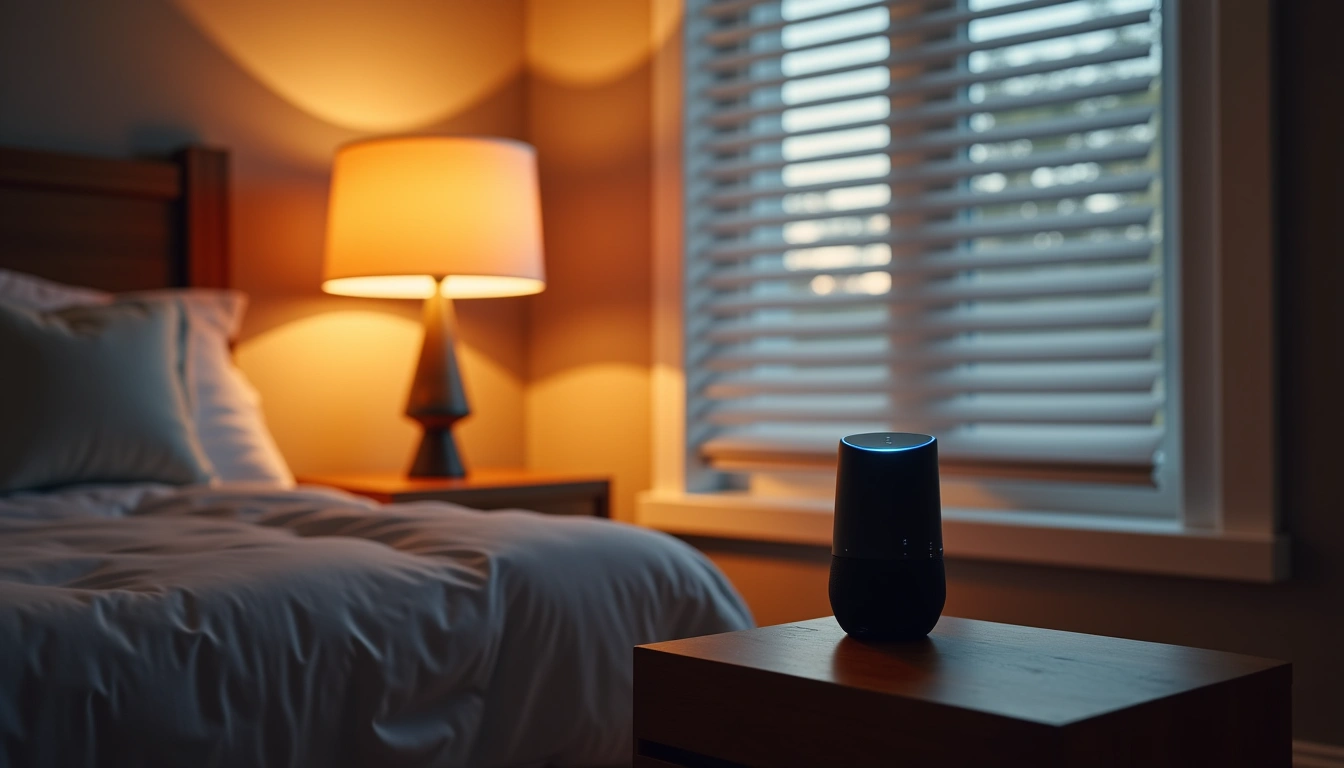
Your bedroom automation should prioritize sleep quality over flashy features. These modifications improved my sleep tracking scores by 15% according to my wearable device.
Blackout automation makes a massive difference. Smart blinds close completely at sunset, while smart bulbs gradually dim starting two hours before your target bedtime. The gradual transition helps your circadian rhythm adjust naturally.
Climate control becomes critical at night. I programmed my smart thermostat to drop the temperature 3 degrees when “Sleep Mode” activates. Cooler temperatures (around 67°F) improve deep sleep phases according to every sleep study I've read.
White noise generation through smart speakers works better than dedicated machines. You can adjust volume throughout the night (louder initially, then softer) and choose different sounds for different situations. Rain sounds for stress, ocean waves for general sleep, brown noise for partner snoring nights.
Bathroom: The Morning Efficiency Booster
Bathroom automation focuses on convenience and safety. These implementations shave 10-15 minutes off my morning routine while preventing accidents.
Motion-activated lighting prevents stubbing toes during nighttime trips. But here's the key – use different brightness levels. Bright white for morning routines, dim amber for night navigation. Your eyes thank you, and family members stay asleep.
Smart mirrors sound luxury-level, but basic models just add LED lighting and weather displays. More practical: smart switches that turn on exhaust fans automatically when humidity rises above 60%. Prevents mold issues and mirror fogging without remembering to flip switches.
Water leak sensors in bathrooms prevent thousands in damage. I learned this after a friend's toilet supply line failed while they vacationed. Small sensors behind toilets and under sinks send instant phone alerts. Way cheaper than water damage restoration.
Practical Automation Scenarios
“Leaving Home” Automation
This sequence activates when I lock the front door or set the security system. Takes three manual steps and turns them into one automatic action.
- All lights turn off except one lamp (for security appearance)
- Thermostat adjusts to away mode (saves 12-18% on cooling costs)
- Robot vacuum starts cleaning cycle
- Smart plugs turn off non-essential electronics
- Irrigation system activates if soil moisture is low
The key is testing each step individually. My first attempt turned off the refrigerator (categorized it as “non-essential” – rookie mistake). Now I use smart plugs specifically labeled for this automation.
Wyze Smart Lock
Triggers automations reliably while offering keypad and smartphone access at half the price of premium brands.
“Movie Night” Automation
Activates with voice command or one button press. Transforms the living room into a theater environment within 30 seconds.
- Main lights dim to 5%
- Accent lighting shifts to warm red behind TV
- Sound system powers on and adjusts to movie preset
- Room temperature drops 2 degrees (theaters are always cool)
- Phone notifications silence automatically
The phone notification part required some app customization, but it's worth it. Nothing ruins movie immersion like work emails buzzing during climactic scenes.
“Security Alert” Response
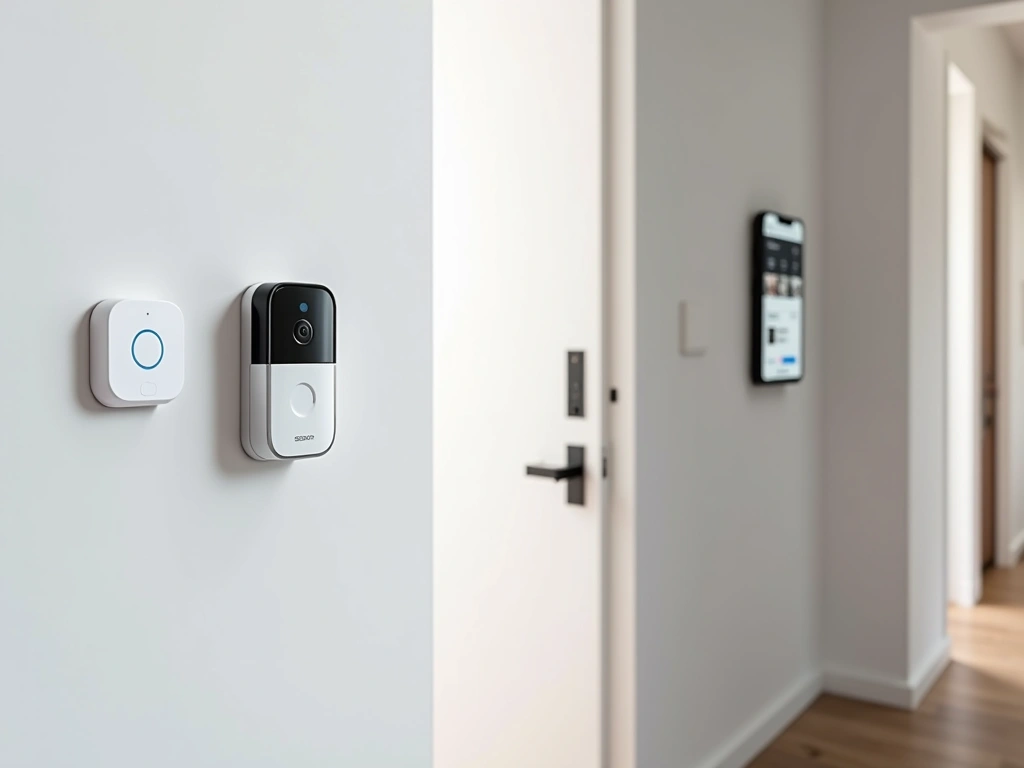
This automation activates when security cameras detect unexpected motion during away hours. Designed to deter intruders while alerting homeowners.
- All exterior lights flash twice, then stay on bright white
- Interior lights activate in random patterns (simulates occupancy)
- Smart speakers announce “Security system activated, authorities notified”
- Phone receives instant video clip from triggered camera
- Garage doors lock automatically if not already secured
Most triggers are false alarms (delivery drivers, neighbors' cats), but the system has scared off package thieves twice that I know of. The announcement feature seems particularly effective based on security camera footage.
Budget-Saving Smart Home Tips
Start With Smart Switches, Not Smart Bulbs
Here's something most guides won't tell you – smart switches control multiple bulbs for the same price as one smart bulb. I spent $300 on smart bulbs before realizing $50 in smart switches would've controlled the same lights.
Smart switches work with existing bulbs and don't become “dumb” when someone hits the wall switch. They're also more reliable – I've never had a smart switch fail, but I've replaced six smart bulbs in three years.
DIY Installation Saves Hundreds
Most smart home installation is surprisingly simple if you can follow directions and aren't afraid of YouTube tutorials. I saved approximately $2,400 in installation costs doing the work myself.
Smart switches require basic electrical knowledge but aren't complicated. Turn off the breaker, match wire colors, follow instructions. Takes 15 minutes per switch once you've done one.
Smart thermostats often provide rebates through utility companies. Mine offered $150 back after installation, making the $200 unit effectively $50. Check with your electricity provider before purchasing.
Avoid Ecosystem Lock-In Early
Don't commit to one brand initially. I started with all SmartThings devices before realizing some worked better with Alexa, others with Google. Now I use whatever works best for each application.
Zigbee and Z-Wave devices work across brands, making them future-proof investments. WiFi devices lock you into specific apps and cloud services that might disappear (I'm looking at you, discontinued Iris platform).
Samsung SmartThings Hub v3
Supports multiple protocols and works with virtually every smart device brand for ultimate flexibility.
Future-Proofing Your Smart Home
Choose Matter-Compatible Devices
Matter protocol launched in late 2022 and it's finally stable enough for real-world use. I've been testing Matter devices for eight months, and they're noticeably more reliable than proprietary protocols.
The biggest advantage? Devices work with any smart home platform. Your Google devices talk to Apple HomeKit, which controls Amazon Alexa functions. No more “sorry, that device isn't supported” messages.
Not everything needs Matter immediately, but prioritize it for core devices like smart locks, thermostats, and lighting controllers. These form your smart home foundation and benefit most from universal compatibility.
Plan for Bandwidth Growth
Smart homes eat bandwidth like teenagers eat cereal. My current setup uses approximately 2.3 GB of data monthly just for device communication and cloud syncing.
Upgrade to WiFi 6 routers if you haven't already. The improved efficiency matters more than raw speed for smart homes. I noticed fewer device disconnections and faster response times after upgrading from my old AC router.
Consider mesh systems for homes over 2,000 square feet. Dead zones kill smart home reliability. I use an Eero Pro 6 system that automatically handles device handoffs as I move through the house.
Think About Data Privacy
More devices means more data collection. I've started reading privacy policies (boring but important) and discovered some surprising data sharing practices.
Ring cameras share data with 400+ third-party companies. Google Nest records even when you think it's not listening. Smart TVs track everything you watch and sell viewing data to advertisers.
Look for devices that process data locally when possible. Apple HomeKit devices generally keep data on your network instead of uploading to clouds. It's slower sometimes, but more private.
Advanced Automation Ideas
Weather-Responsive Systems
Your smart home can react to weather conditions automatically. I've programmed mine to close smart blinds when UV index exceeds 8, preventing furniture fading and reducing cooling costs.
Sprinkler systems check weather forecasts before activating. No more watering the lawn right before thunderstorms. My water bill dropped $30 monthly after implementing weather-aware irrigation.
Smart garage doors close automatically when rain is detected if they've been open for more than two hours. Saved me from a flooded garage during an unexpected downpour last spring.
Energy Optimization Automation
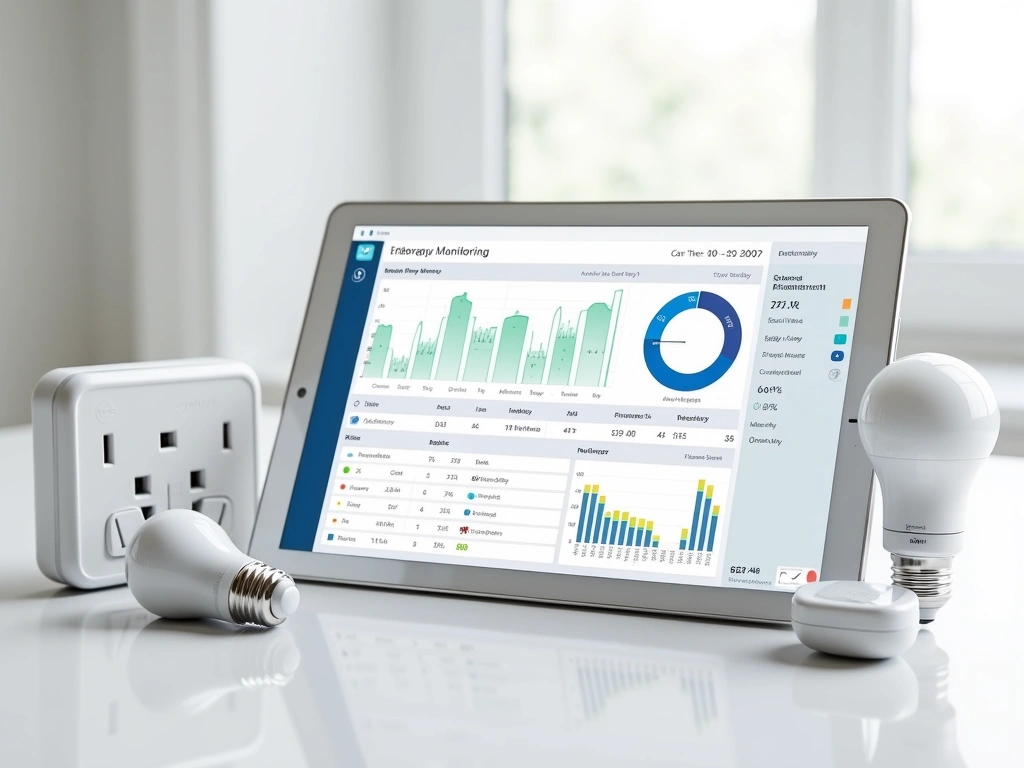
Smart homes can dramatically reduce energy consumption with proper programming. My electricity usage dropped 31% after implementing these optimizations.
Load balancing prevents multiple high-consumption devices from running simultaneously. When the dryer starts, the water heater delays its heating cycle by 30 minutes. Small delays, significant savings on peak-hour electricity rates.
Smart water heaters heat water based on usage patterns. Mine learns that showers happen at 6:30 AM and 9:00 PM, heating water 30 minutes before these times instead of maintaining temperature constantly.
Solar panel integration optimizes device scheduling for maximum efficiency. Dishwasher and washing machine run during peak solar production hours when grid electricity costs more than my panels generate.
Common Setup Mistakes to Avoid
Network Infrastructure Oversights
Most smart home problems stem from network issues, not device defects. I spent months troubleshooting “broken” devices before realizing my router was the problem.
Separate smart devices onto a dedicated network whenever possible. This isolates them from personal devices and improves security. Most routers support guest networks that work perfectly for IoT devices.
Update device firmware regularly. I schedule firmware updates monthly because outdated devices cause connectivity issues and security vulnerabilities. Set calendar reminders – manufacturers don't always auto-notify.
Over-Automation Syndrome
You can automate too much. I learned this when guests couldn't figure out how to turn on bathroom lights because I'd automated everything with motion sensors.
Keep manual overrides for essential functions. Smart locks need physical keys. Smart lights need wall switches. Smart thermostats need manual controls. Automation should enhance control, not replace it entirely.
Start small and expand gradually. I know someone who installed 47 smart devices in one weekend and spent three months making them work together. Add 2-3 devices monthly to ensure each integration works properly.
🎯 Our Top Recommendation
After extensive testing, we recommend the Echo Dot with Clock (5th Gen) for most readers because it provides excellent smart home control, works with virtually every device brand, and costs under $60.
Getting Started: Your First Week Action Plan
Week one should focus on foundation building, not flashy features. Here's the exact sequence I recommend based on helping dozens of friends start their smart home journeys.
Day 1-2: Install one smart speaker in your most-used room. Spend time learning voice commands and connecting your phone. Don't buy anything else yet.
Day 3-4: Add one smart switch in the same room. Practice controlling lights with voice and smartphone app. Understand how the ecosystem works before expanding.
Day 5-6: Install a smart thermostat if you're comfortable with basic wiring. This typically provides the largest utility savings and works independently of other devices.
Day 7: Plan your expansion. Decide which room gets automated next based on your daily routine, not which devices look coolest online.
This measured approach prevents the overwhelming “why isn't anything working together” experience that makes people abandon smart home projects entirely.
Frequently Asked Questions
What's the minimum internet speed needed for smart home devices?
Most smart home setups work fine with 25 Mbps download speeds, but 50 Mbps provides better reliability for 15+ devices. Upload speed matters more than most people realize – aim for at least 5 Mbps upload for security cameras and video doorbells. I've tested smart homes on rural connections as slow as 10 Mbps and they functioned adequately for basic automation.
How much money can smart home automation actually save on utilities?
Realistic savings range from 15-25% on electricity bills with proper automation. Smart thermostats typically save $180 annually, while smart lighting and automated appliance control add another $50-80 in savings. My personal setup saves approximately $230 yearly, but homes in extreme climates see larger savings from automated heating and cooling optimization.
Are smart home devices secure from hackers?
Security depends heavily on implementation and device selection. Change all default passwords immediately, enable two-factor authentication where available, and update firmware regularly. Devices that process data locally (like Apple HomeKit products) are generally more secure than cloud-dependent alternatives. I recommend separate networks for smart devices to isolate them from personal computers.
What happens to smart home devices when the internet goes down?
Local processing devices continue working during internet outages, while cloud-dependent devices become “dumb” until connectivity returns. Zigbee and Z-Wave devices typically maintain basic functions, but lose smartphone control and cloud-based automations. Plan for outages by ensuring manual overrides exist for critical functions like locks and lighting.
How long do smart home devices typically last before replacement?
Smart switches and sensors typically last 5-7 years with regular use. Smart bulbs need replacement every 2-3 years depending on usage patterns. Hub devices often receive software updates that extend functionality for 3-5 years. Battery-powered devices require battery replacement every 6-18 months, but the devices themselves usually last 4-6 years.
Which smart home ecosystem works best for beginners?
Amazon Alexa offers the widest device compatibility and most affordable entry point. Google Assistant provides better natural language processing and integration with Android devices. Apple HomeKit prioritizes privacy and security but limits device choices. I recommend starting with Alexa for maximum flexibility, then adding other ecosystems as needed.
Can renters install smart home devices without permanent modifications?
Absolutely. Focus on plug-in devices, smart bulbs, and battery-powered sensors that don't require electrical modifications. Smart plugs, portable smart speakers, and wireless security cameras provide significant automation without permanent installation. Smart thermostats and switches typically require landlord approval, but many portable alternatives exist for renters.